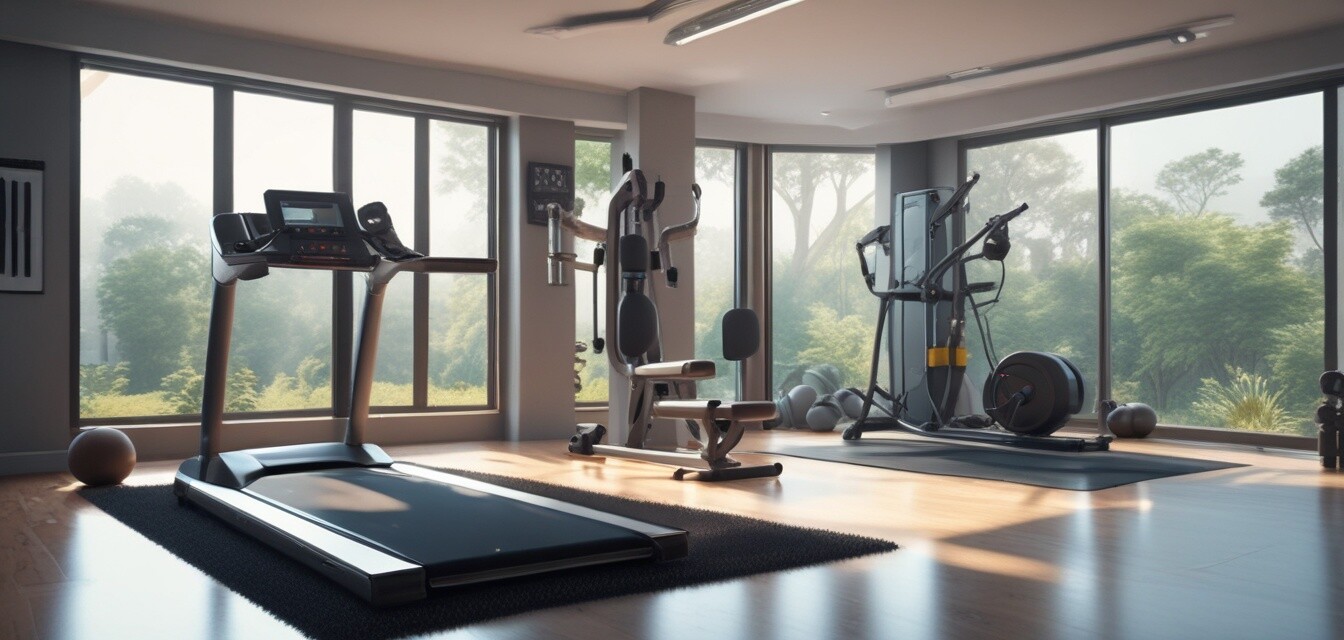
Home Gym Market Projections for 2025-2030
Key Takeaways
- The home gym market is expected to see substantial growth, reaching upwards of $10 billion by 2030.
- A rise in consumer interest regarding fitness and wellness is driving demand for home gym equipment.
- Advancements in technology and interactive fitness solutions are changing the home gym landscape.
- Compact and multi-functional equipment will be at the forefront due to space concerns in urban living.
- Brands are focusing on eco-friendly materials, catering to the environmentally conscious consumer.
The home gym industry has undergone significant transformations in recent years, and as we look towards the future, the trends and projections shaping this dynamic market are essential for consumers and investors alike. The post-pandemic world has recalibrated the way we view fitness, leading to insights that will define the home gym landscape from 2025 to 2030. This article delves into the projected growth, innovations, and future trends within the home gym equipment sector.
Market Growth Projections
According to recent studies, the home gym market is on track to expand considerably over the next decade. Forecasts indicate that the market could surpass $10 billion by 2030. Several factors contributing to this growth include:
- Increased awareness about fitness and personal health
- Flexible working conditions that encourage home workouts
- Greater access to online workout programs and virtual coaching
Overview of the Growth Trajectory
| Year | Market Value (Projected) | Growth Rate (%) |
|---|---|---|
| 2025 | $6 billion | 12% |
| 2026 | $7 billion | 15% |
| 2027 | $8.5 billion | 12.5% |
| 2028 | $9.5 billion | 11.5% |
| 2029 | $10 billion | 10.5% |
| 2030 | $10.5 billion | 5% |
Emerging Trends Influencing the Home Gym Market
1. Advances in Technology
Technological advancements play a crucial role in the evolution of home gym equipment. Innovations like:
- Smart weights
- AI-powered workout tracking
- Virtual reality fitness experiences
These advancements create more engaging and personalized workout experiences, attracting a new subset of fitness enthusiasts who prefer exercising at home. Check out our Expert Tips & Tricks for more insights into integrating technology into your workouts.
2. Compact and Multi-Functional Equipment
As urban living spaces shrink, the demand for compact and multi-functional gym equipment is rising. Consumers are looking for equipment that:
- Offers versatility
- Takes up minimal space
- Can be easily stored away
These types of equipment, such as adjustable dumbbells or foldable benches, allow users to maintain functionality without sacrificing their living space. For more information on effective home gym setups, visit our Home Gym Flooring category for tips on optimizing your space.
3. Focus on Sustainability
Another emerging trend is the increasing focus on sustainability within the fitness industry. Many brands are opting for eco-friendly materials and sustainable production practices. Customers now seek:
- Equipment made from recyclable materials
- Environmentally conscious brands
- Areas promoting wellness alongside ecological considerations
| Equipment Type | Material Type | Sustainability Feature |
|---|---|---|
| Dumbbells | Recycled metal | Manufactured using eco-friendly processes |
| Yoga Mats | Bamboo Fiber | Biodegradable and non-toxic |
| Resistance Bands | Natural latex | Sourced sustainably |
Adapting your Home Gym to Future Trends
To keep pace with the evolving fitness landscape, it's essential to adapt your home gym setup. Consider implementing:
- Flexible workout hours by utilizing apps that sync with your equipment.
- Regular updates to the types of workouts you engage with comparing trends from our News and Trends section.
- Investing in technology that tracks performance and offers suggestions for improvement.
Conclusion
As we advance towards 2030, the home gym market is poised for significant growth fueled by new technologies, sustainability practices, and the demand for convenience in our workouts. By staying informed about these trends, users can ensure their home gym setups remain relevant and effective. With an increasing emphasis on personal health and fitness, an investment in home gym equipment is no longer just a trend but a lifestyle choice that caters to the modern consumer's needs.
Pros
- Expansive growth opportunities for brands.
- Accessibility of fitness resources at home.
- Enhanced workout experiences through technology integration.
Cons
- Potential oversaturation in the market.
- Consumer hesitation about investment without proper guidance.
- Need for adequate space and equipment maintenance.