Space Optimization for Home Gyms
In today's busy world, home gyms have become a popular choice for fitness enthusiasts who want to work out without leaving their homes. However, limited space can be a challenge when setting up a home gym. This article outlines innovative space-saving solutions and ideas for optimizing your small home gym setup while still making it functional and effective.
Key Takeaways
- Maximize vertical space with wall-mounted storage.
- Choose compact and multi-functional equipment.
- Utilize foldable and stackable gear.
- Maintain an organized environment for efficient workouts.
- Incorporate flooring that enhances safety without taking up excess space.
Understanding Space Constraints
When setting up a home gym, the first step is acknowledging the space you have available. Whether it's a spare room, garage, or a small corner in your living area, understanding your space is crucial.
Measuring Your Space
Before purchasing any equipment, measure your available area. Here’s a basic guideline to help you:
| Space Type | Recommended Size | Best Use |
|---|---|---|
| Spare Room | 120-200 sq ft | Full gym setup |
| Garage | 200+ sq ft | Weightlifting and Cardio |
| Small Corner | 30-70 sq ft | Yoga and Resistance training |
Tips for Space Optimization
Space-Saving Solutions
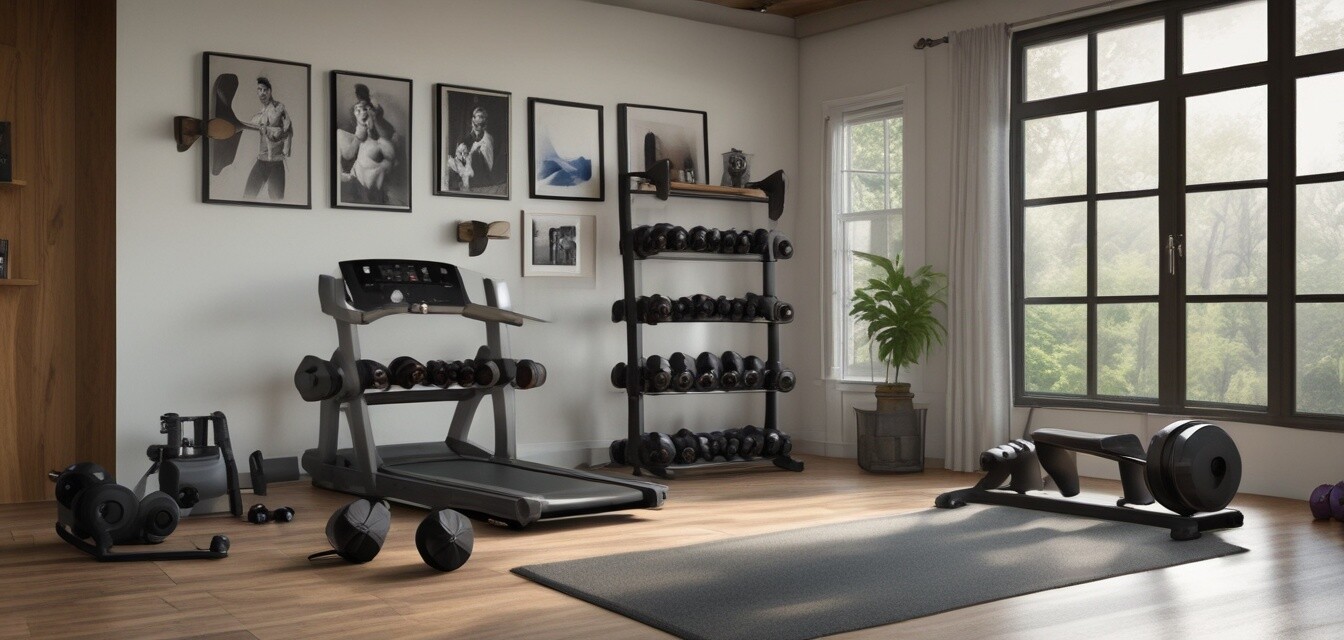
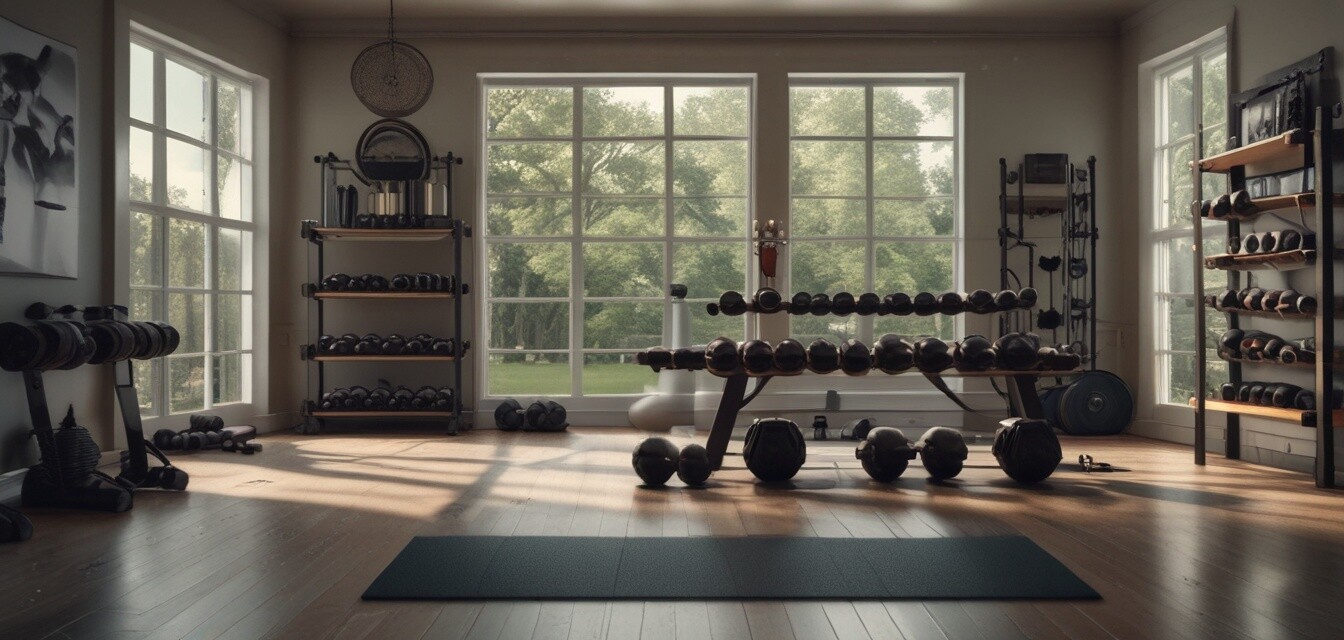
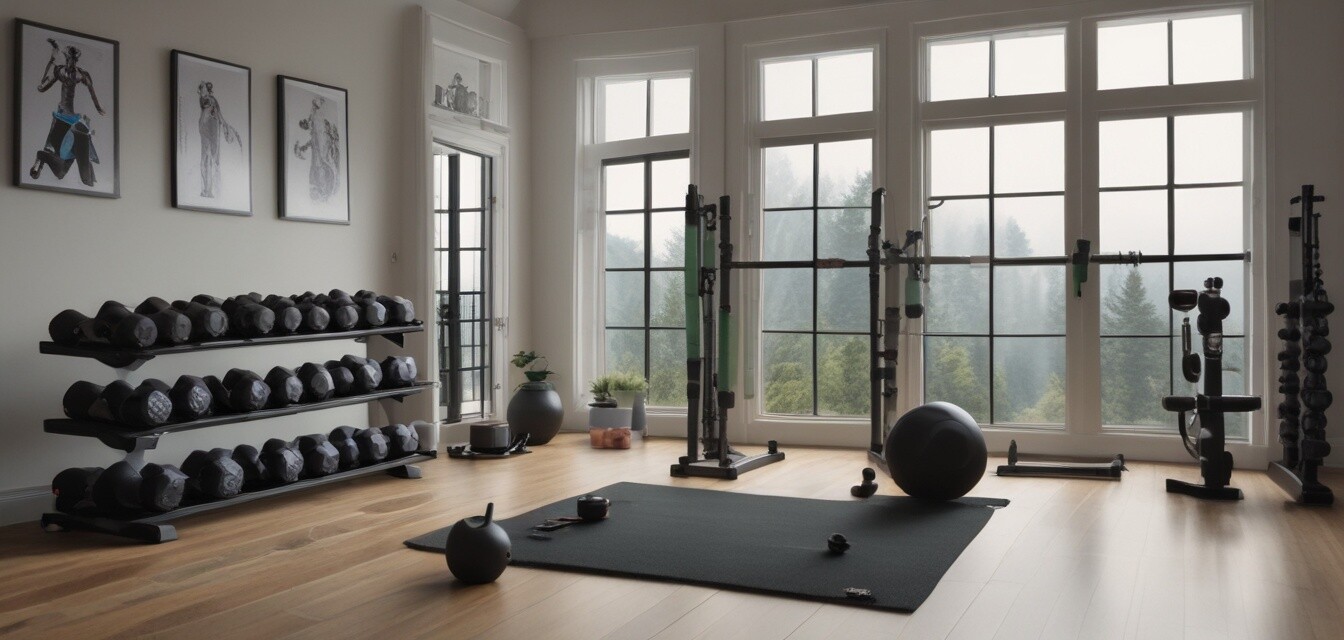
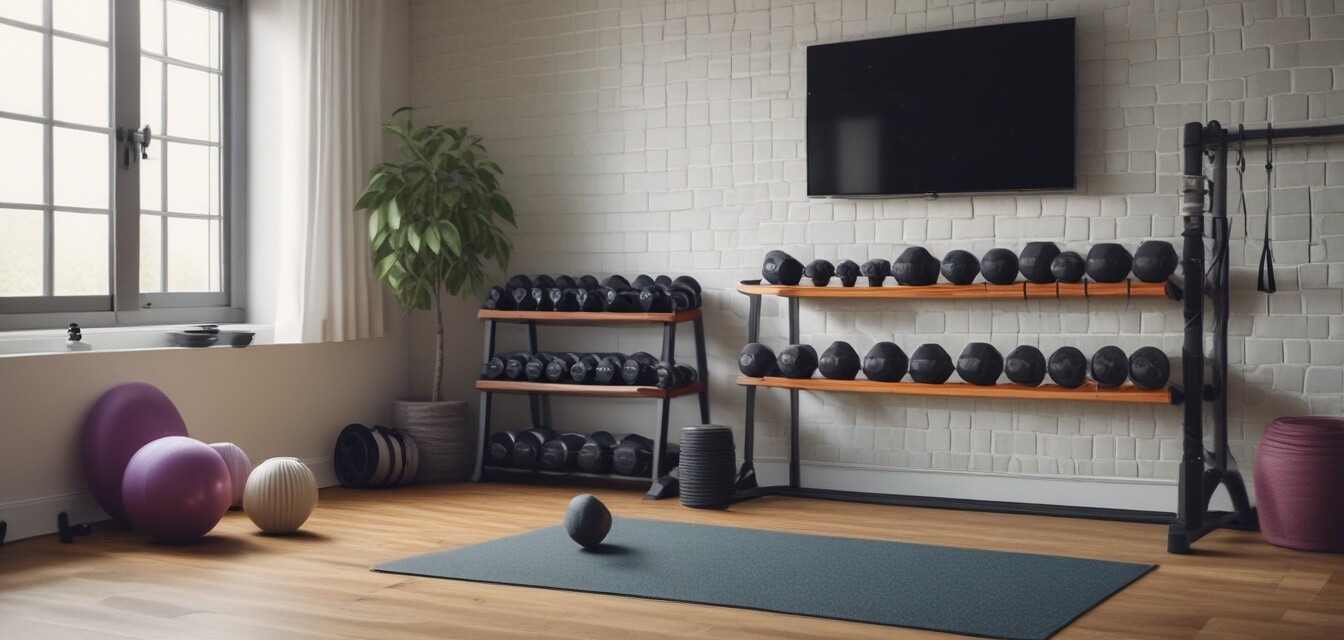
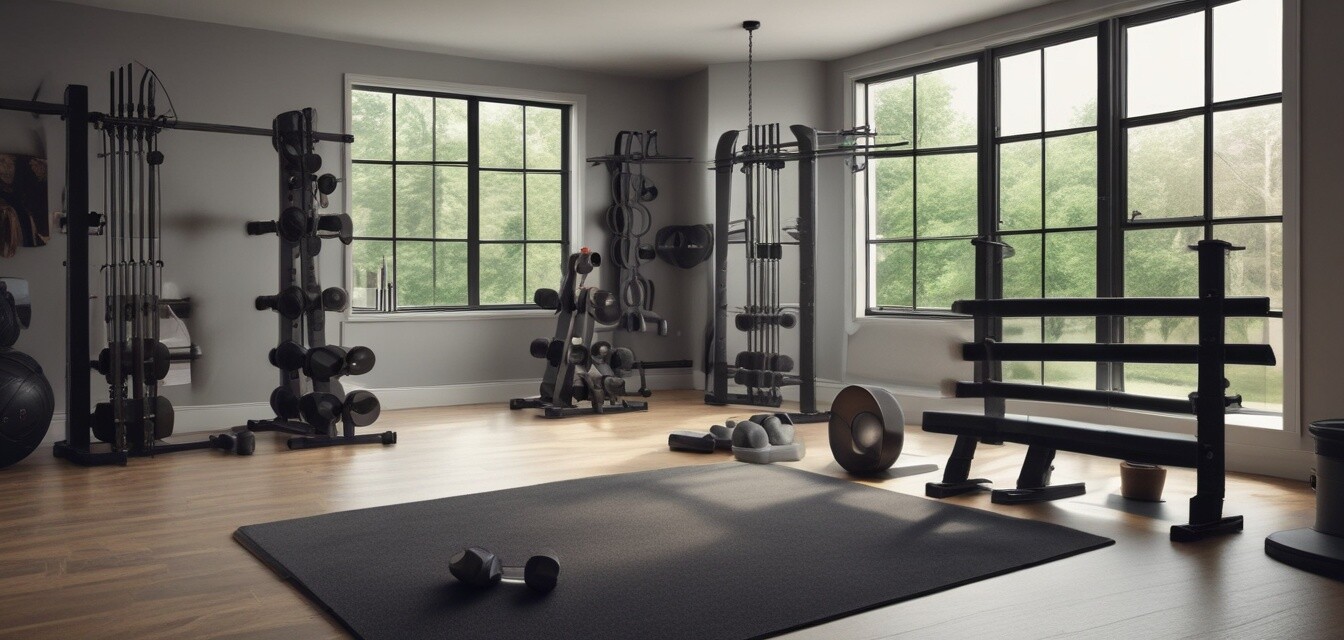
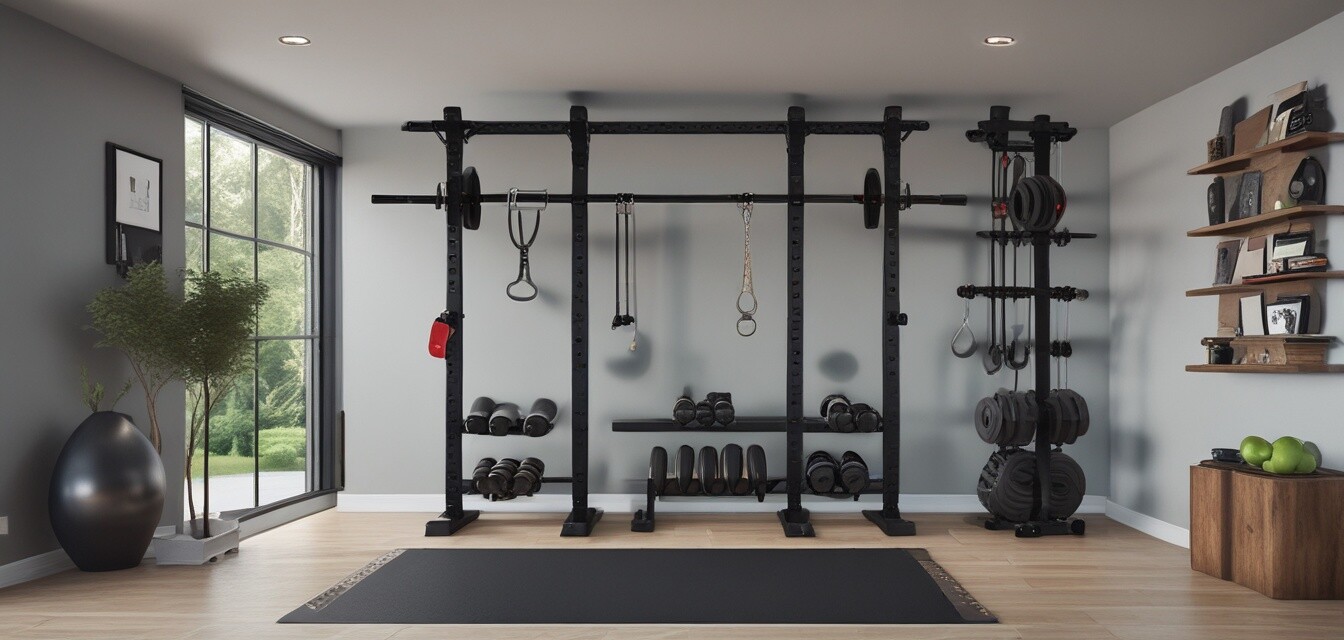
- Vertical Storage: Use wall-mounted racks to store weights and accessories.
- Multi-Functional Equipment: Invest in devices that can serve multiple purposes, such as a bench that doubles as storage.
- Foldable Equipment: Look for items like foldable treadmills or collapsible benches for easy storage.
- Use Mirrors: Installing mirrors can create an illusion of more space while helping you maintain your form.
- Choose Lightweight Equipment: Opt for items that are easy to move around, such as resistance bands and kettlebells.
Choosing the Right Equipment
Selecting the right fitness equipment is vital in a compact space. Here are some categories to consider:
Compact Cardio Equipment
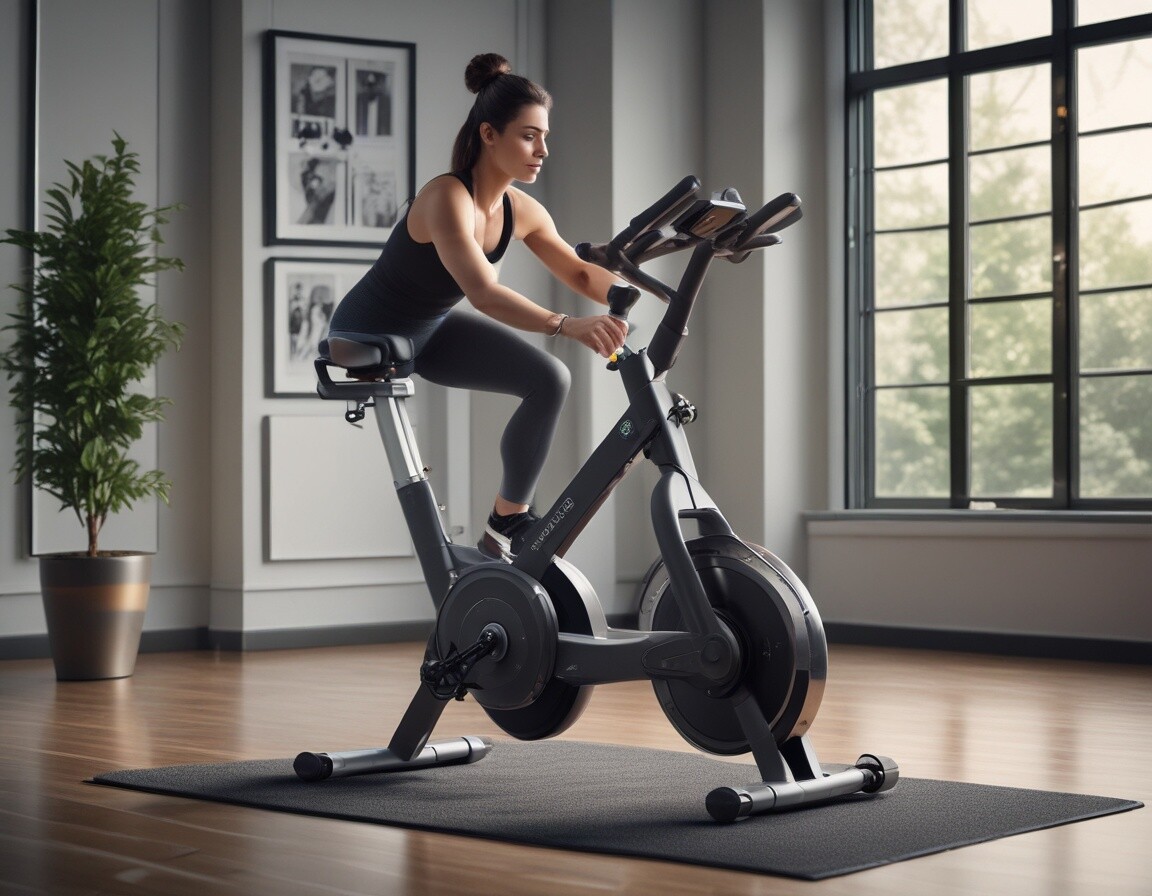
Cardio is essential for overall fitness. Compact options include:
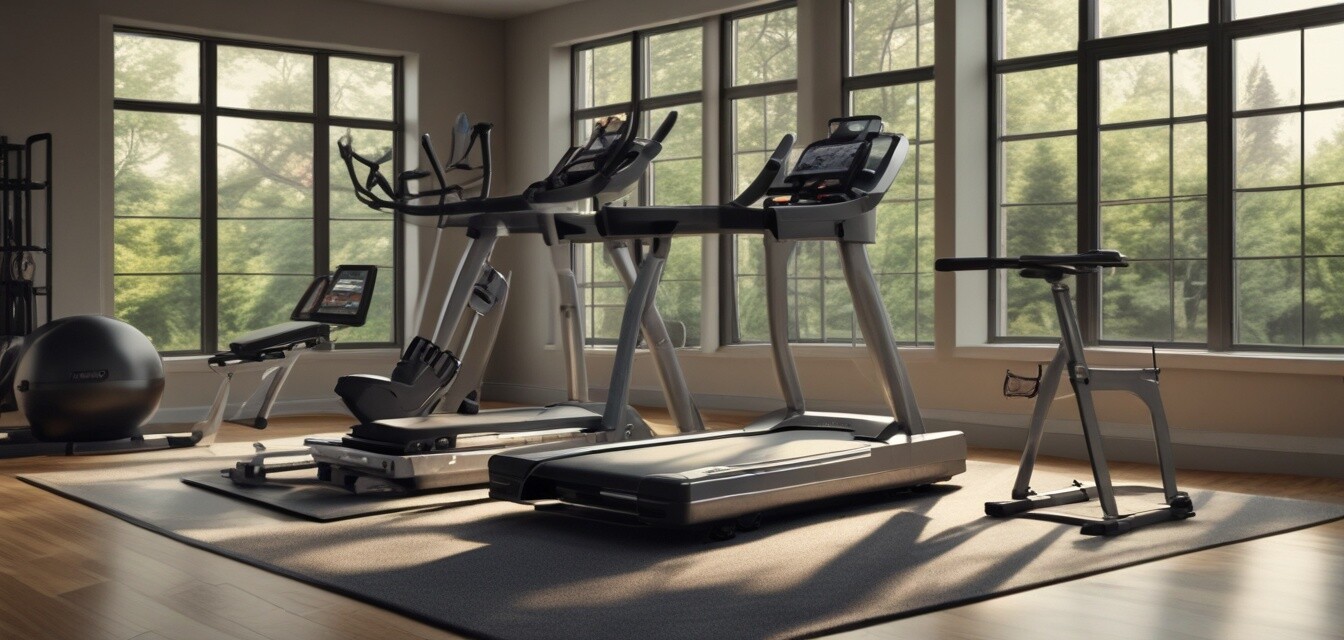
- Foldable treadmills
- Stationary bikes
- Rowing machines
Dumbbells and Weights
Opt for adjustable dumbbells instead of a full set. This choice saves space and offers flexibility in weight selection. Explore our guide on dumbbells and weights for more ideas.
Resistance Bands
Resistance bands take up little space and can be used for various exercises. They are perfect for both strength training and rehabilitation. Check our selection of resistance bands.
| Equipment Type | Space Required | Benefits |
|---|---|---|
| Foldable Treadmill | Minimal | Compact storage and effective cardio workout |
| Adjustable Dumbbells | Small | Versatile weight options with less clutter |
| Resistance Bands | Negligible | Portable and multi-use for multiple exercises |
Additional Home Gym Elements
Make the most of your home gym with these additional elements:
Home Gym Flooring
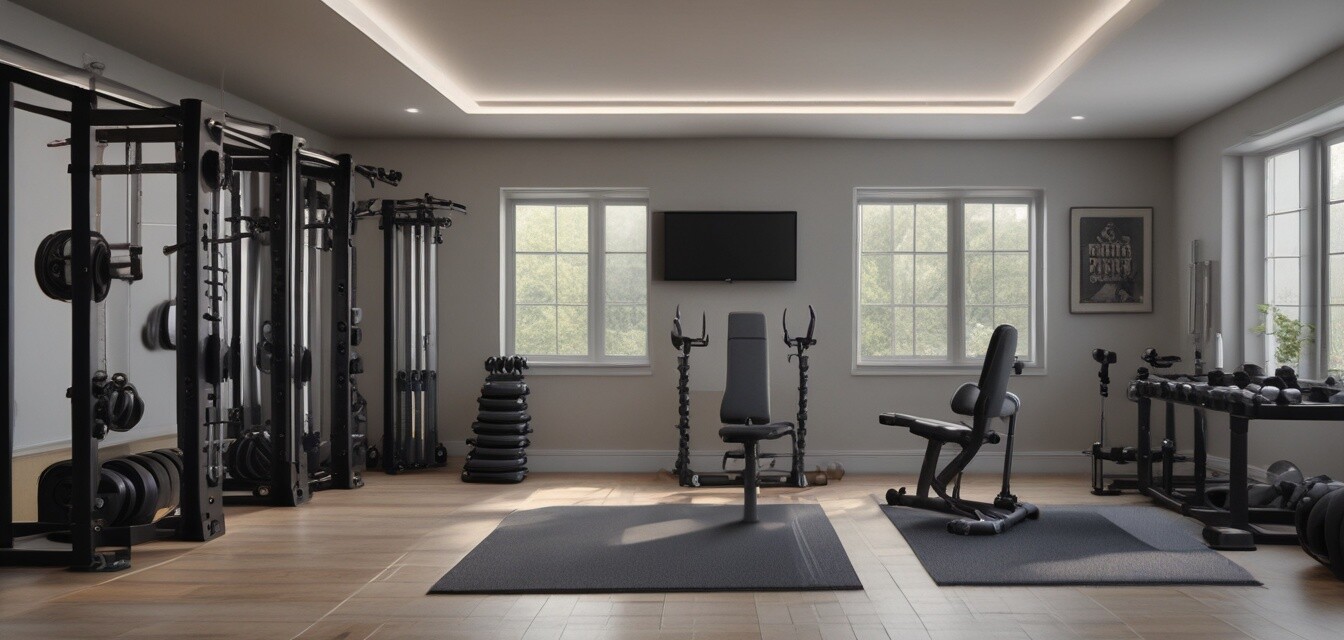
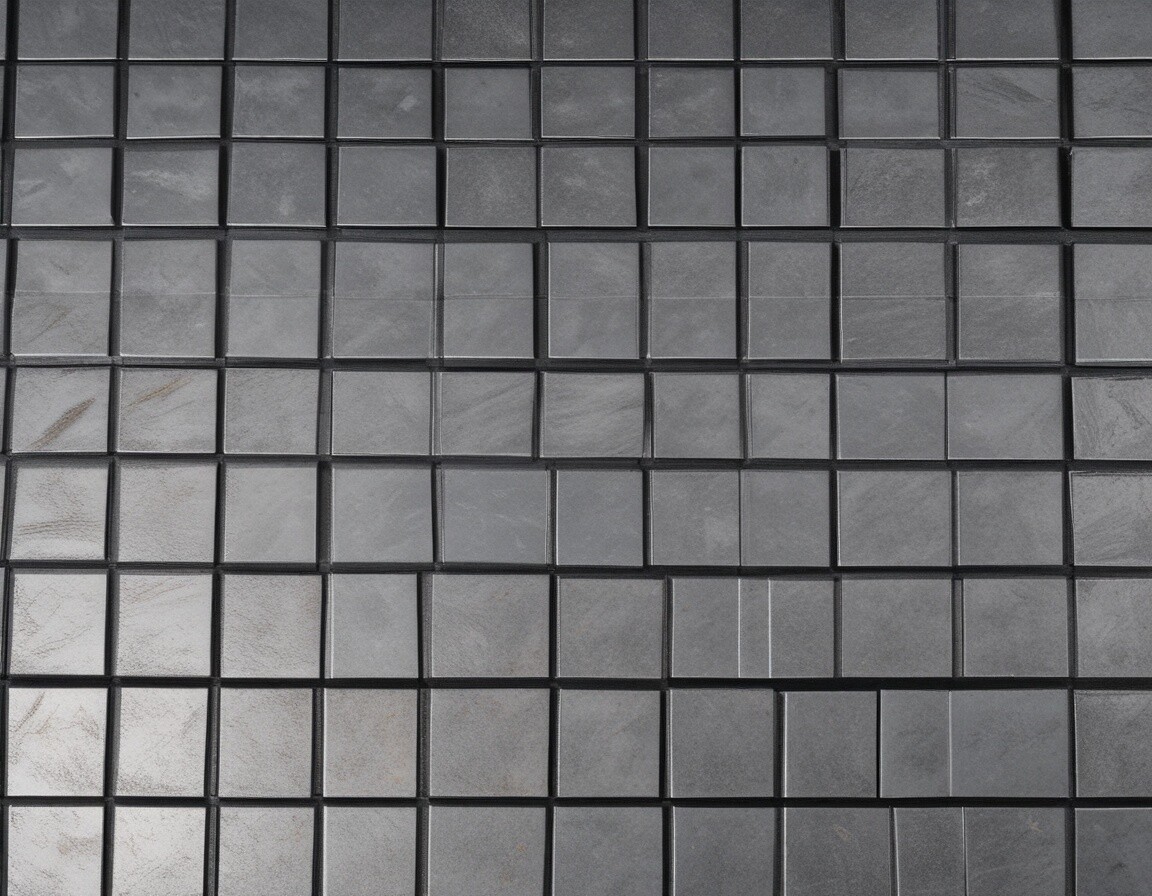
Quality flooring will enhance safety and prevent damage to your home's structure. Consider foam tiles or rubber mats that can be easily assembled and disassembled. Explore our options on home gym flooring.
Storage Solutions for Equipment
Efficiently organizing your home gym equipment is essential. Here are a few suggestions:
- Wall-Mounted Shelves: Great for light items like yoga mats and small weights.
- Storage Bins: Ideal for bands and small accessories; keep everything tidy.
- Over-the-Door Racks: Use door space wisely to hold resistance tubes or jump ropes.
Creating an Organized Environment
An organized gym environment leads to efficient workouts. Here are practical ways to maintain clarity:
- Keep regularly used items within reach.
- Designate zones for different types of workouts.
- Plan a cleaning schedule to manage clutter.
Pros
- Effective use of limited space.
- Encourages regular workouts in a comfortable environment.
- Personalized training space tailored to your needs.
Cons
- Potential for distraction in a shared living space.
- May require significant initial investments.
- Limited equipment options may hinder certain workouts.
Conclusion
Creating a home gym that effectively optimizes space involves careful planning and strategic choices. By selecting the right equipment and organizing your environment, you can build a functional home gym that meets your fitness goals without sacrificing comfort. For more equipment categories, consider our collections on compact cardio equipment and yoga and stretching equipment.