Cardio Equipment for Home Use
Key Takeaways
- Choosing the right cardio equipment can enhance your home workout routine.
- Popular options include treadmills, stationary bikes, and ellipticals.
- Consider space, budget, and workout goals when selecting equipment.
- Incorporating cardio into strength training can lead to better overall fitness.
- Explore various cardio strategies to keep your workouts engaging.
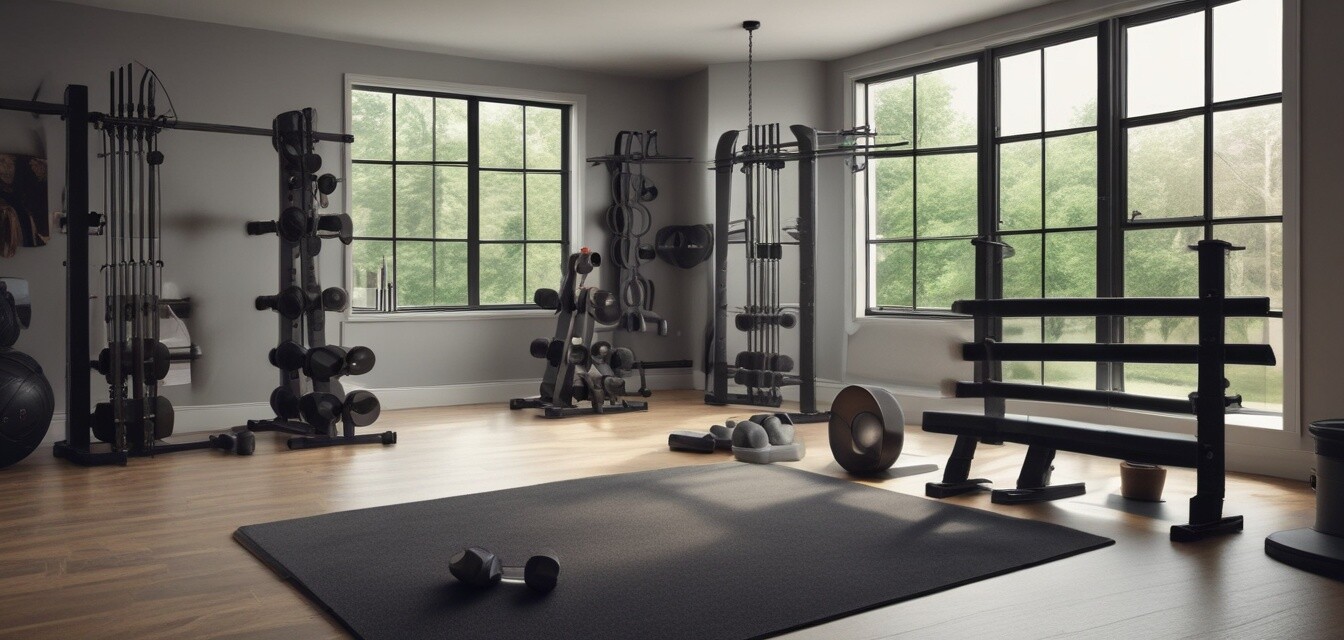
Creating an effective home gym requires careful planning, especially when it comes to including cardio equipment. This article will explore popular cardio machines and provide strategies to integrate cardio into your home workout routine.
Why Cardio is Important for Your Home Gym
Cardiovascular exercise is crucial for overall fitness. It helps improve heart health, increases stamina, and can aid in weight management. By incorporating cardio into your home gym, you can achieve a balanced workout routine that targets both strength and endurance.
Popular Types of Cardio Equipment
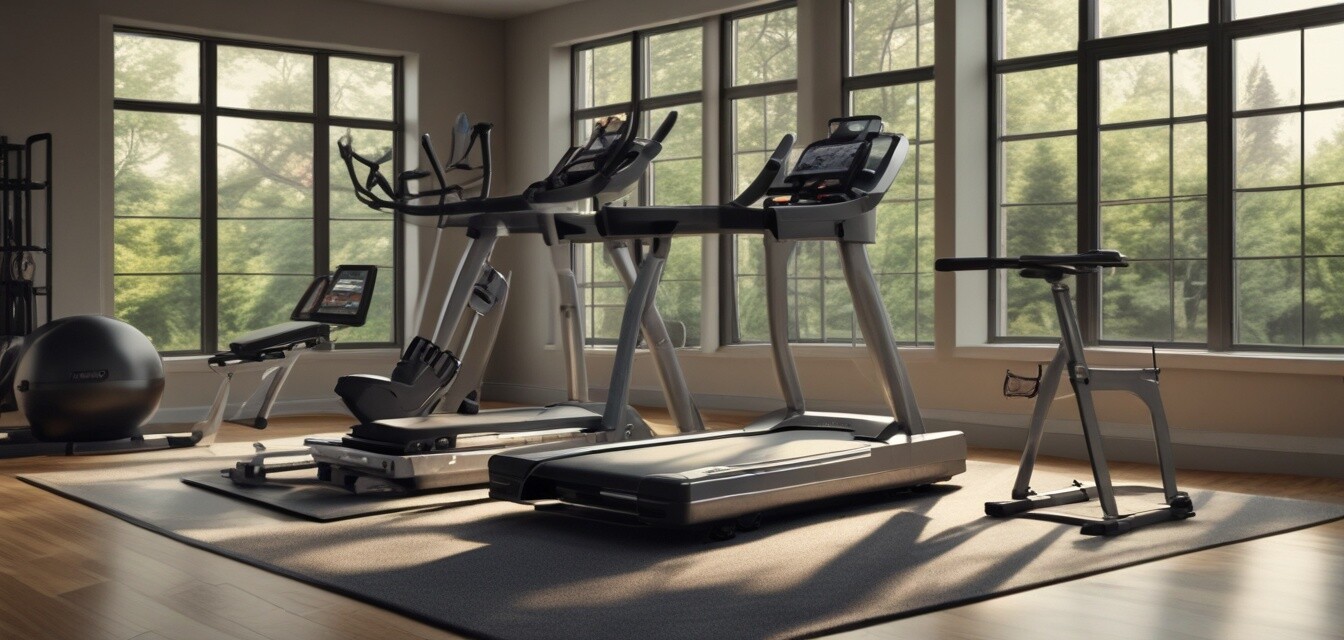
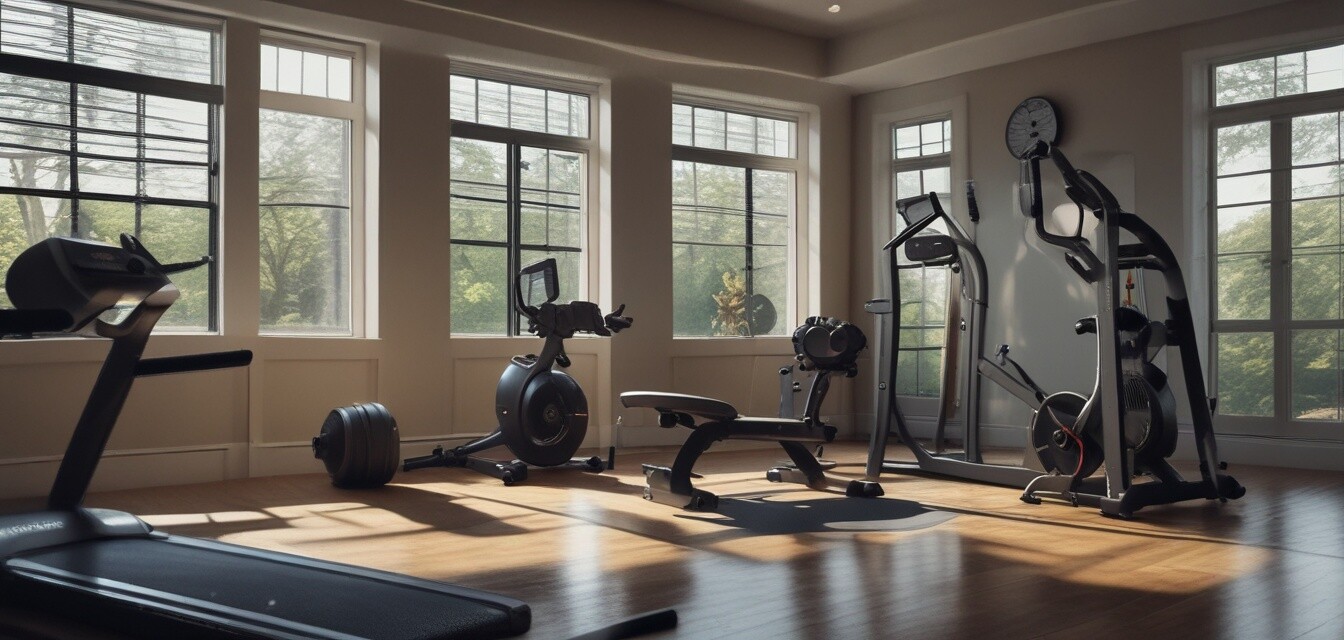
When setting up your home gym, consider the following types of cardio equipment:
| Type of Equipment | Description | Best For |
|---|---|---|
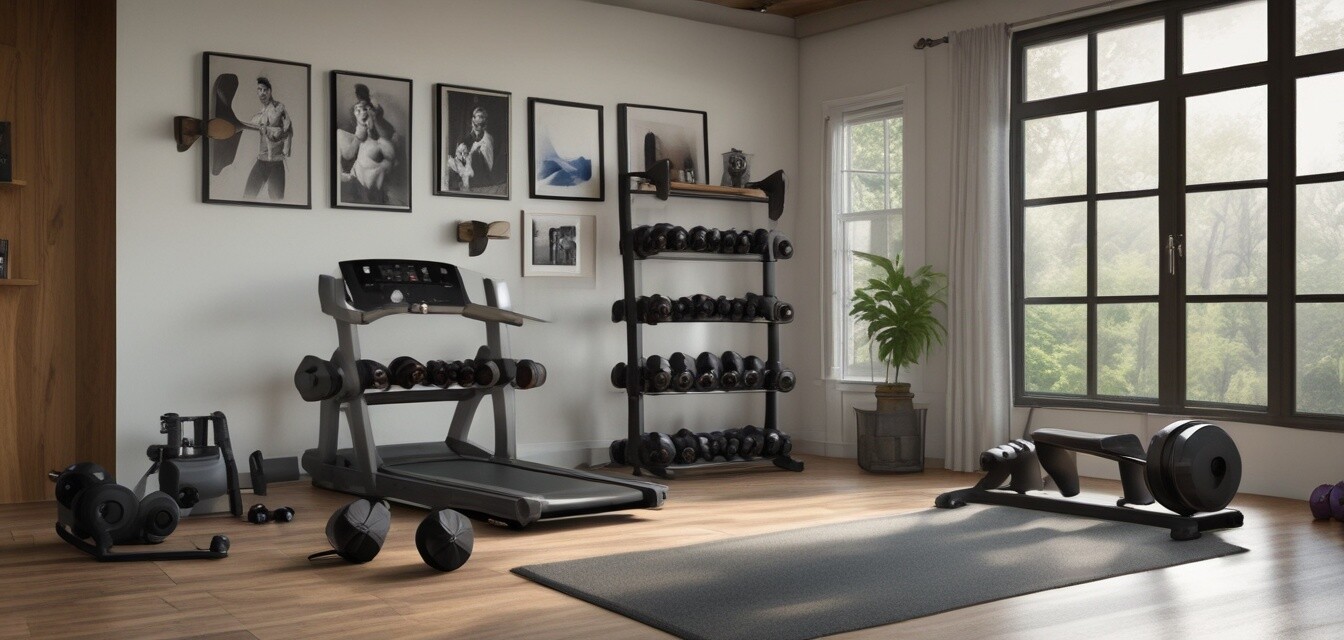
| Treadmills | Allows for walking, jogging, and running indoors. | Those who enjoy running or walking in a controlled environment. |
| Stationary Bikes | Offers a low-impact way to get a great cardio workout. | Individuals looking for a joint-friendly option. |
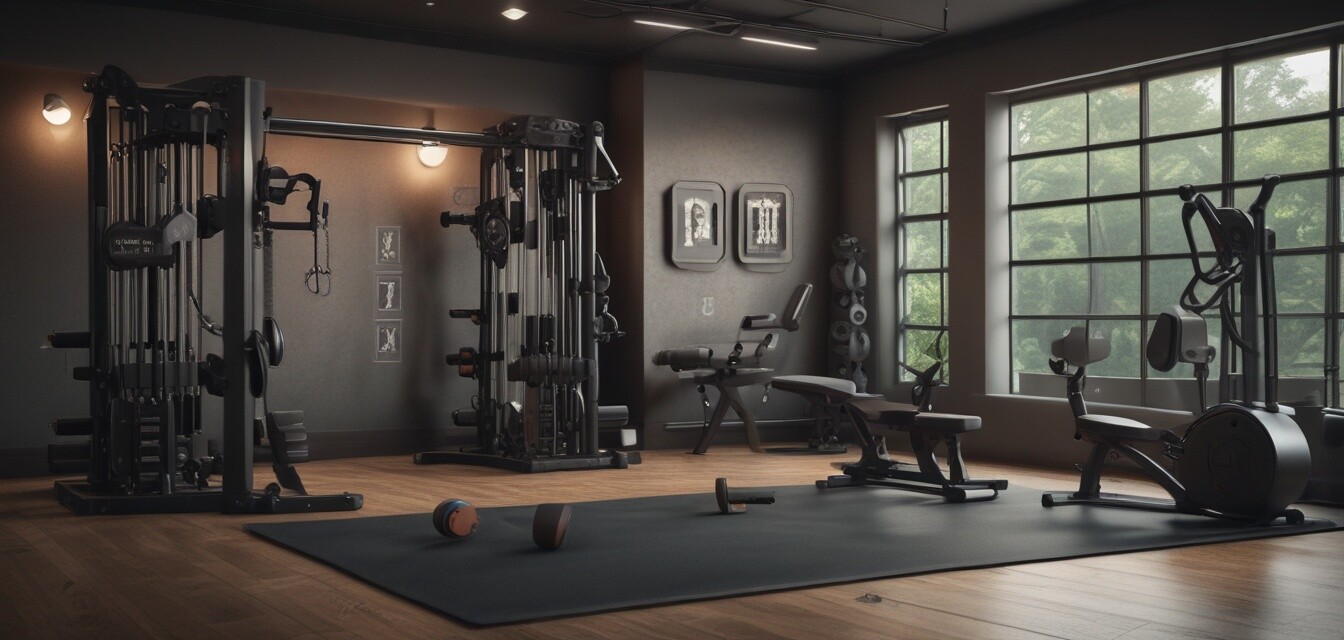
| Ellipticals | Combines the movements of running and cycling. | People wanting a full-body workout without high impact. |
| Rowing Machines | Provides a total body workout with minimal impact. | Athletes seeking strength and endurance training. |
| Compact Cardio Equipment | Space-saving options like mini steppers or foldable bikes. | Those with limited space in their home gym. |
Choosing the Right Cardio Equipment
Selecting the right cardio machine depends on several factors:
- Space: Measure the area where you plan to place the equipment.
- Budget: Determine how much you are willing to spend.
- Goals: Identify your fitness goals to choose the most suitable equipment.
- Personal Preference: Choose a machine that you enjoy using to stay motivated.
Incorporating Cardio into Your Fitness Routine
Integrating cardio into your fitness regimen can be done in several ways:
1. Combine Cardio with Strength Training
Incorporating short bursts of cardio between strength exercises can enhance your workout. For example:
- Perform a set of squats followed by 2 minutes on the treadmill.
- Do a circuit of push-ups, then hop on a stationary bike for a quick ride.
2. Utilize Interval Training
Interval training alternates between high-intensity and low-intensity workouts. This method maximizes fat burning and can be applied to any cardio machine.
3. Schedule Regular Cardio Days
Dedicate specific days for cardiovascular workouts. Aim for at least 150 minutes of moderate aerobic activity each week.
4. Make it Fun
Incorporate music, podcasts, or even virtual classes to make your cardio sessions more enjoyable.
Maintenance of Cardio Equipment
To ensure longevity and optimal performance of your cardio machines, regular maintenance is key. Here are some tips:
- Keep the equipment clean and free from dust.
- Check for any loose bolts or screws and tighten them as needed.
- Lubricate moving parts according to the manufacturer's instructions.
- Inspect the cords or wires for any signs of wear.
Conclusion
Incorporating cardio into your home gym setup is essential for achieving a balanced fitness routine. By selecting the right equipment and strategies, you can create an engaging and effective workout environment.
Pros
- Improves cardiovascular health.
- Can be done in the comfort of your home.
- Diverse options to cater to different fitness levels.
- Encourages consistency and commitment to fitness.
Cons
- Initial investment can be high.
- Requires space and maintenance.
- Potential for monotony if routines are not varied.
Explore More Home Gym Ideas
For more information on setting up your home gym, check out the following resources:
Tips for Beginners
- Start slow and gradually increase intensity.
- Set realistic goals to keep yourself motivated.
- Experiment with different types of cardio to find what you enjoy.
- Stay hydrated and listen to your body.