Home Gym Setup Basics
Creating a home gym can be both an exciting and daunting task. This guide will walk you through essential steps to ensure you have a well-planned and effective home gym tailored to your fitness goals.
Key Takeaways
- Identify the right space in your home for gym setup.
- Consider your fitness goals to choose appropriate equipment.
- A well-planned floor layout improves workout efficiency.
- Incorporate flooring options that provide safety and support.
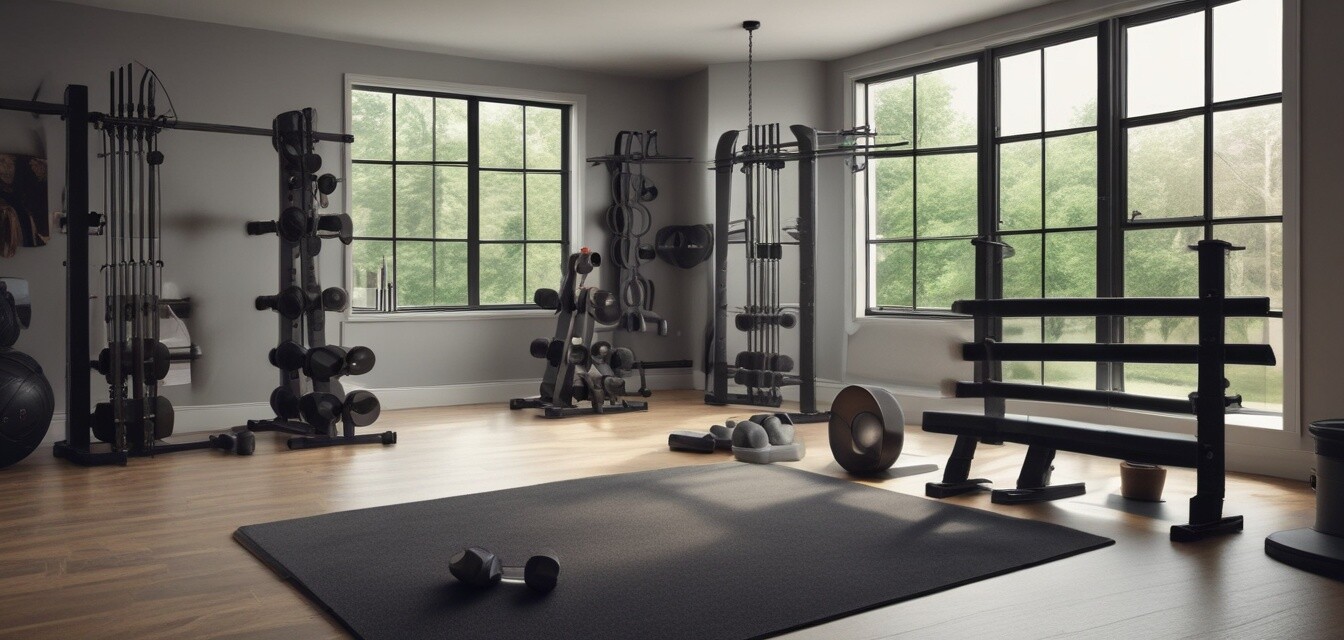
- Organize equipment for ease of access and aesthetic appeal.
Choosing the Right Space
The first step in setting up your home gym is to identify the right location. Here are some considerations:
- Look for an area with enough space for your planned equipment.
- Ensure proper ventilation and lighting in the space.
- Opt for a space that allows easy access and privacy.
- Consider noise factors if you share your home with others.
Ideal Spaces for a Home Gym
| Space Type | Pros | Cons |
|---|---|---|
| Basement | Cool, Spacious | Humidity issues |
| Garage | Ample space, usually private | Temperature fluctuations |
| Spare room | Insulated, comfortable | Space constraints |
| Outdoor patio | Natural light, fresh air | Weather-dependent |
Identifying Your Fitness Goals
Before investing in equipment, it's important to outline your fitness goals. Here’s how to define them:
- Are you looking to build strength, improve endurance, or develop flexibility?
- Do you prefer weightlifting, cardio, or a mix of both?
- Consider your current fitness level and what challenges you'll enjoy.
Types of Fitness Goals
| Goal Type | Description |
|---|---|
| Weight loss | Focus on cardio and resistance training to burn calories. |
| Muscle gain | Prioritize resistance training with heavier weights. |
| Flexibility | Incorporate yoga and stretching routines. |
Selecting Your Equipment
Now that you know your space and goals, it’s time to choose the right equipment. Here are some common options:
- Dumbbells and weights
- Kettlebells
- Compact cardio equipment
- Resistance bands
- Yoga and stretching equipment
Essential Equipment List
| Equipment Type | Uses |
|---|---|
| Dumbbells | Versatile for strength training exercises. |
| Resistance bands | Good for strength building and flexibility. |
| Yoga mat | Essential for stretching and yoga routines. |
| Cardio machines | For cardiovascular fitness like running or cycling. |
Gym Floor Layout
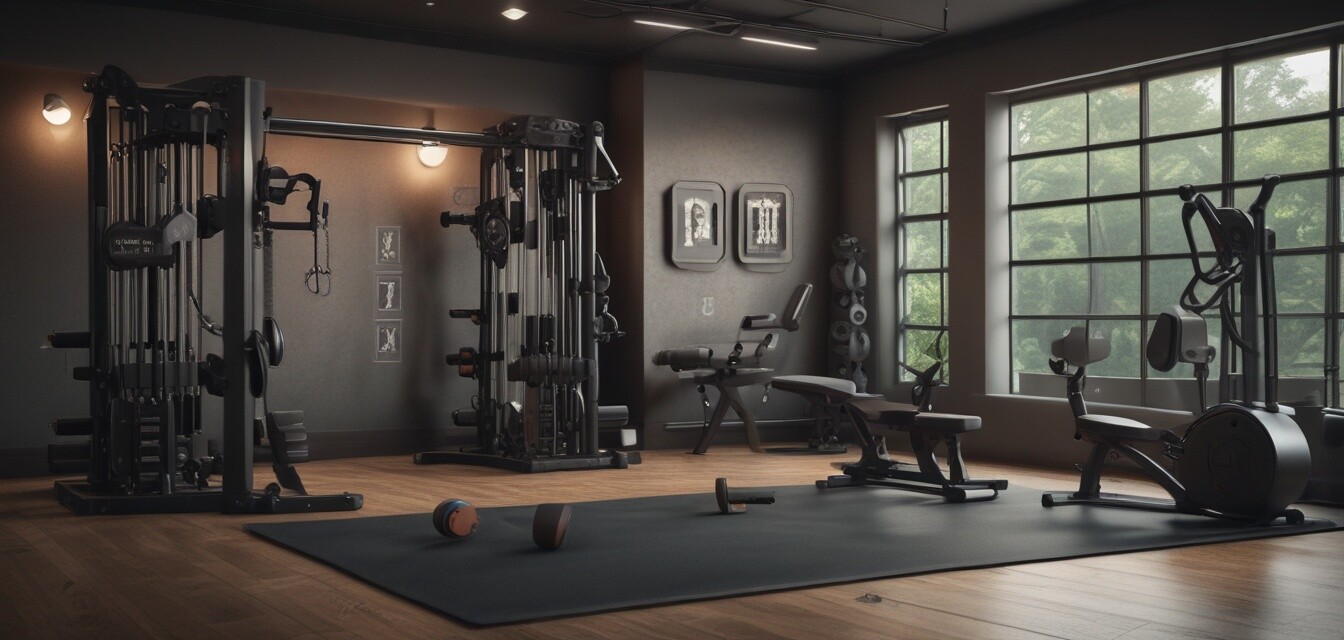
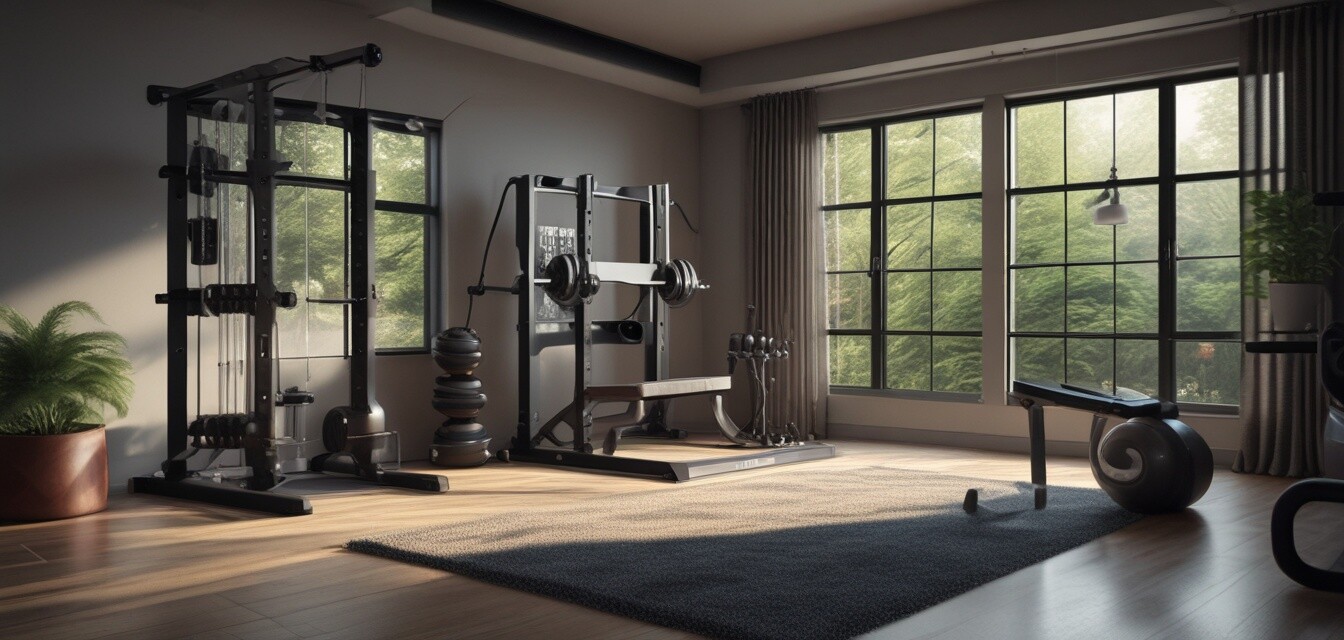
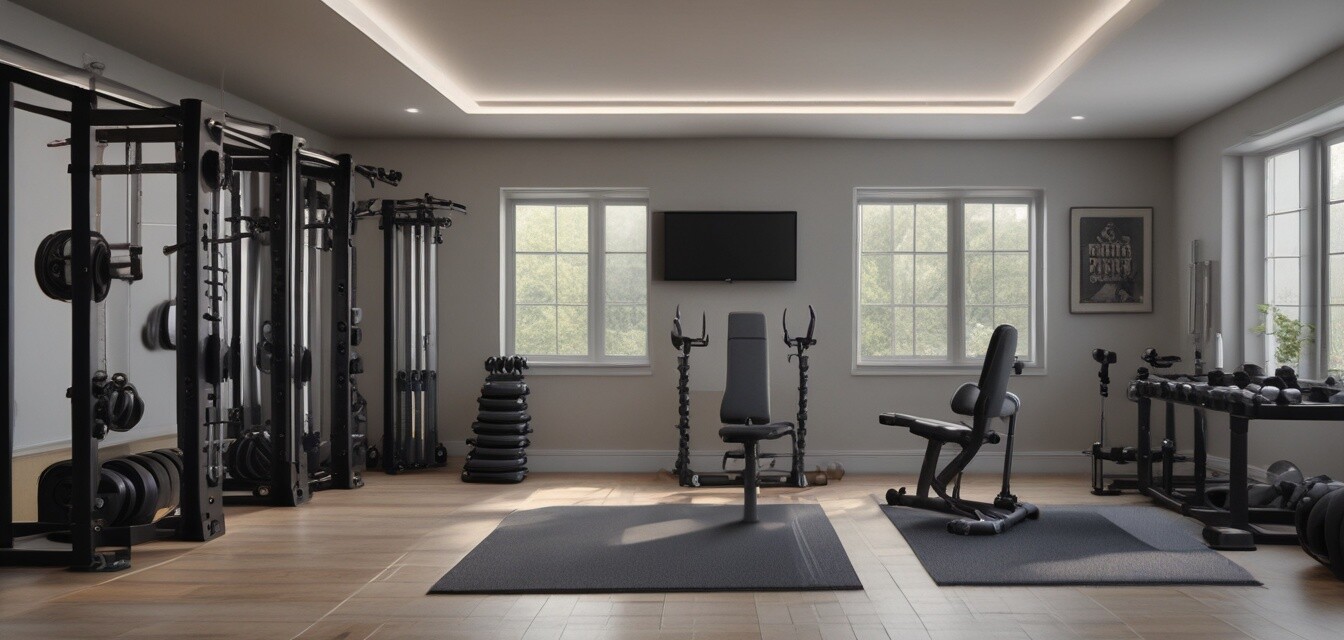
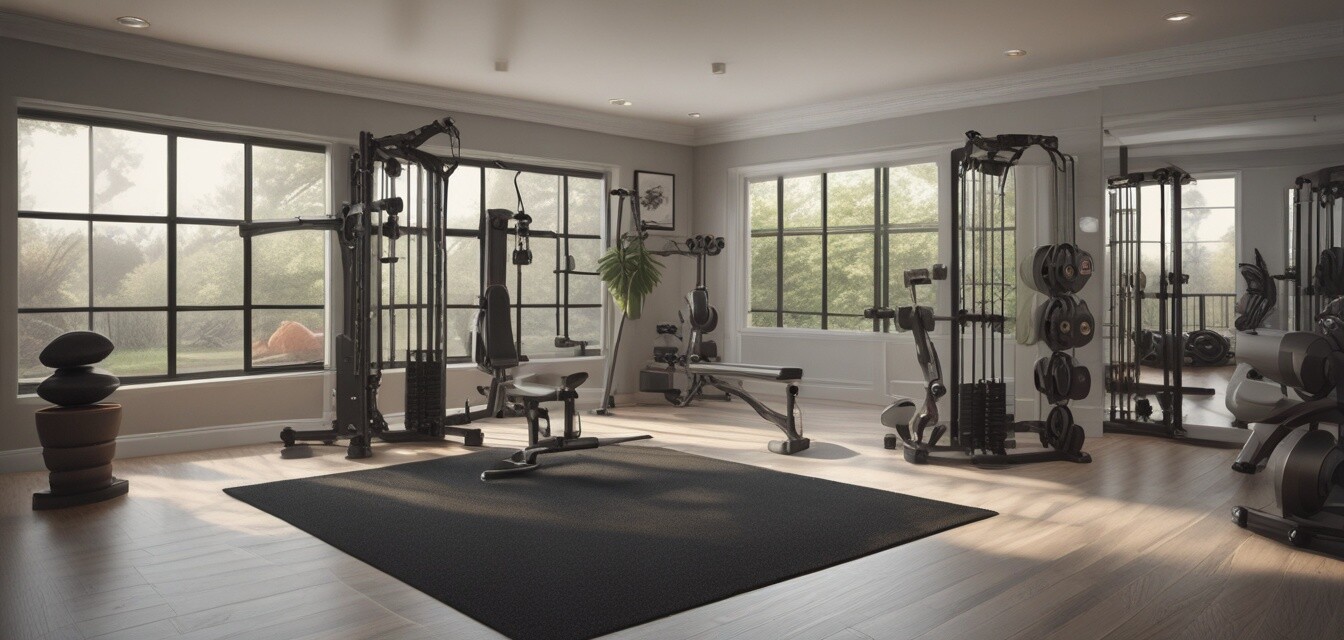
An efficient gym layout can significantly enhance your workout experience. Here are tips for arranging your equipment:
- Keep frequently used items easily accessible.
- Create distinct areas for different workout types.
- Ensure enough space to move and exercise safely.
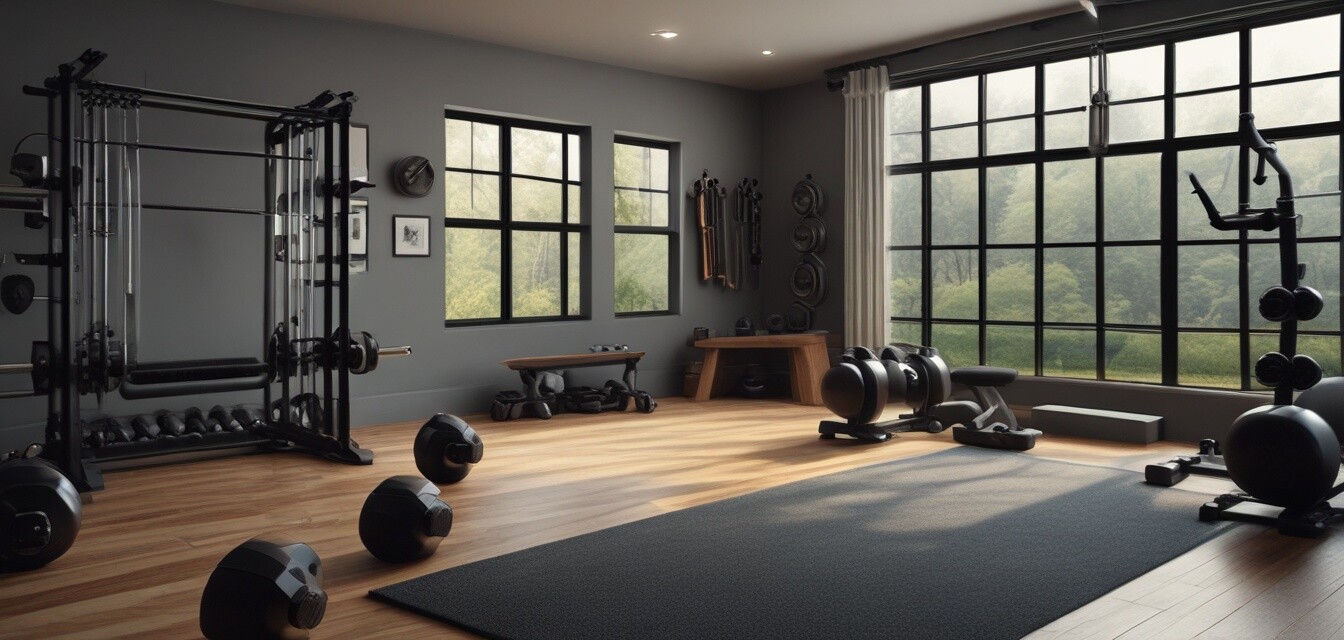
Sample Gym Layout
Choosing Home Gym Flooring
The flooring of your home gym is crucial for safety and comfort. Consider these options:
- Foam mats - great for cushioning.
- Rubber flooring - excellent for shock absorption.
- Carpet tiles - provide comfort and a touch of home.
Comparative Overview of Gym Flooring Options
| Material | Pros | Cons |
|---|---|---|
| Foam | Soft, affordable | Less durable |
| Rubber | Durable, excellent grip | Can be pricey |
| Carpet | Warm, comfortable | Hard to clean, not ideal for heavy equipment |
Maintaining Your Home Gym
Keeping your home gym organized and clean is vital for a pleasant workout environment. Here are some tips:
- Regularly clean equipment to prevent wear and tear.
- Designate areas for specific types of equipment.
- Store weights and bands neatly after use.
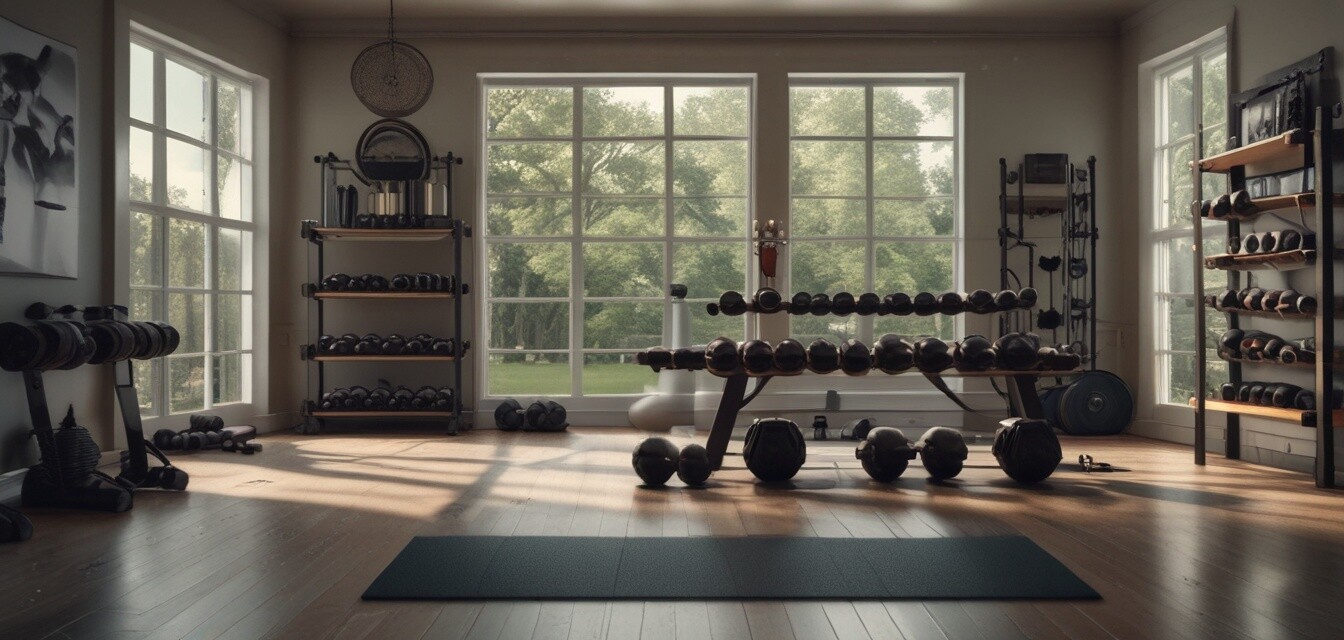
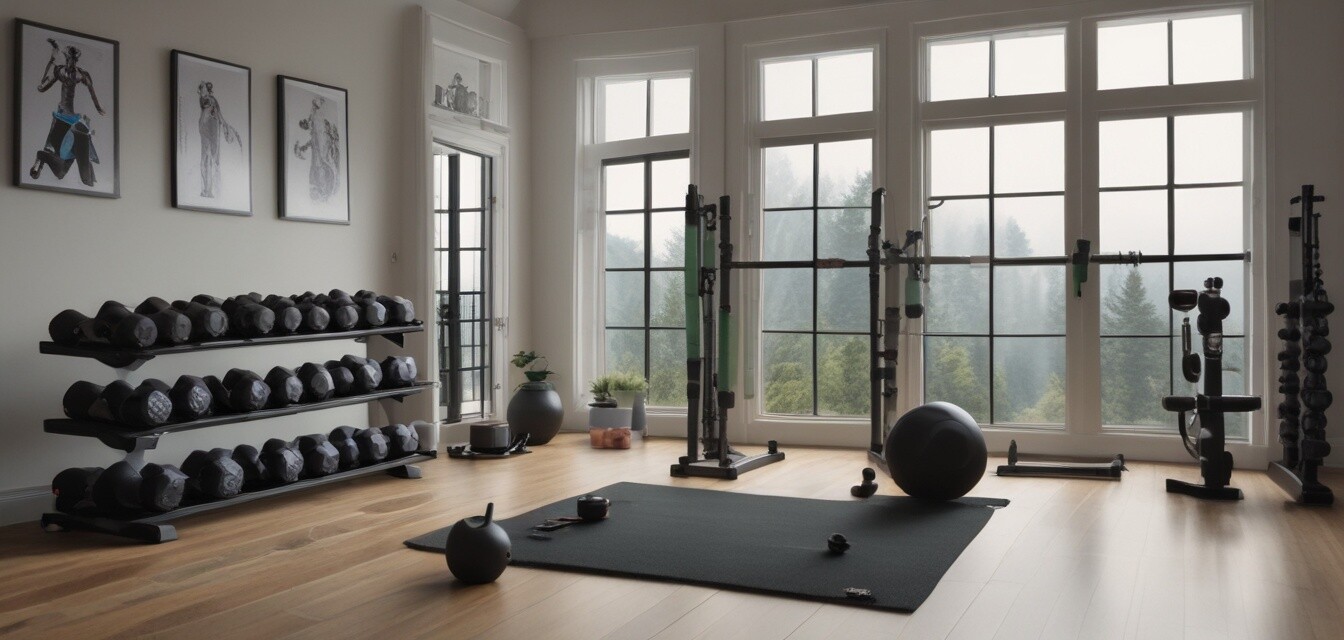
Storage Ideas for Small Spaces
Beginner's Tips
- Choose multi-functional equipment to save space.
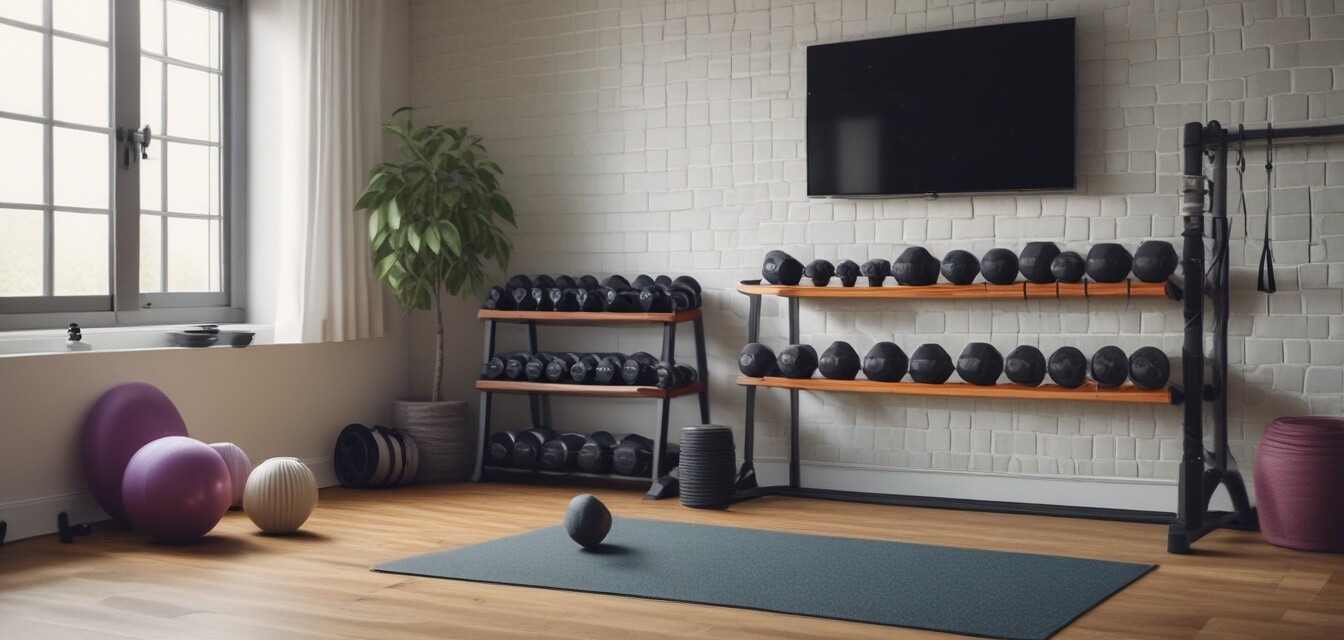
- Wall-mounted storage can help keep items off the floor.
- Prioritize a few essential pieces before expanding your collection.
Conclusion
Building a home gym tailored to your needs doesn’t have to be overwhelming. By following these basic steps, you'll create a safe and efficient space to achieve your fitness goals. Take your time to plan and invest in the right equipment, and soon you'll find yourself enjoying a more convenient workout routine in your own home.
Pros
- Convenient access to workout anytime
- Customized workout space tailored to your preferences
- Potential cost savings compared to gym memberships
Cons
- Initial setup costs can be high
- Space limitations may restrict equipment options
- Motivation may be challenging in a home environment