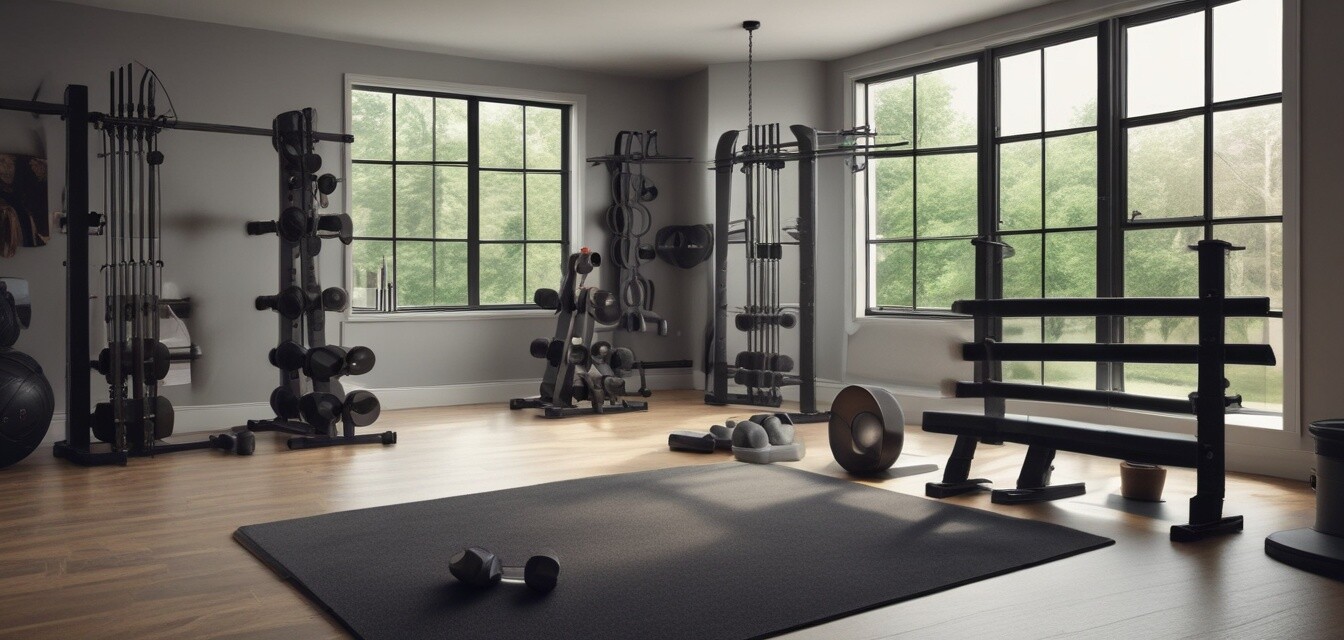
Safety Tips for Home Gyms
Key Takeaways
- Always check equipment before use for safety.
- Maintain a clean and organized workout space.
- Use proper form to prevent injuries.
- Invest in quality flooring to enhance safety.
- Be aware of your surroundings and potential hazards.
Setting up a home gym can be an exciting task, but safety should always be a top priority. By focusing on the right safety tips and maintenance practices, you can ensure that your workout space is not only effective but also secure. In this guide, we will explore various safety considerations and equipment maintenance tips to keep your home gym safe.
Understanding Home Gym Safety
Creating a safe environment is crucial in preventing accidents and injuries. Below are some essential safety tips to consider when setting up your home gym:
- Check all equipment regularly for wear and tear.
- Keep the workout area free of clutter.
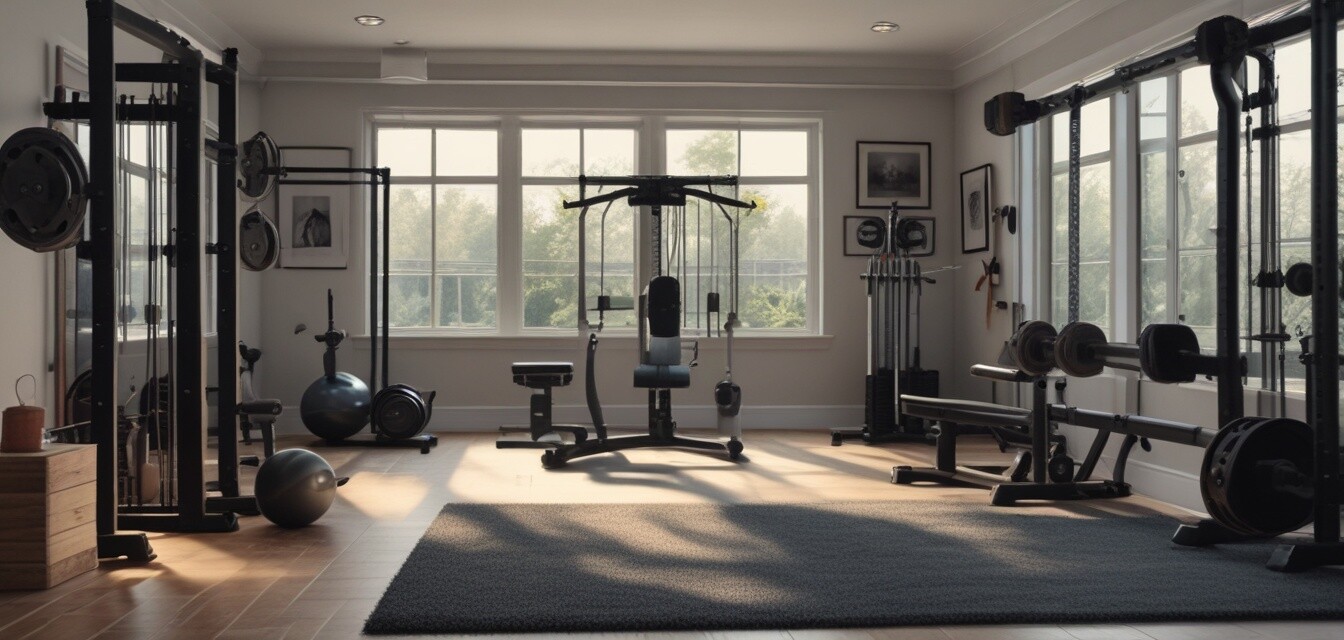
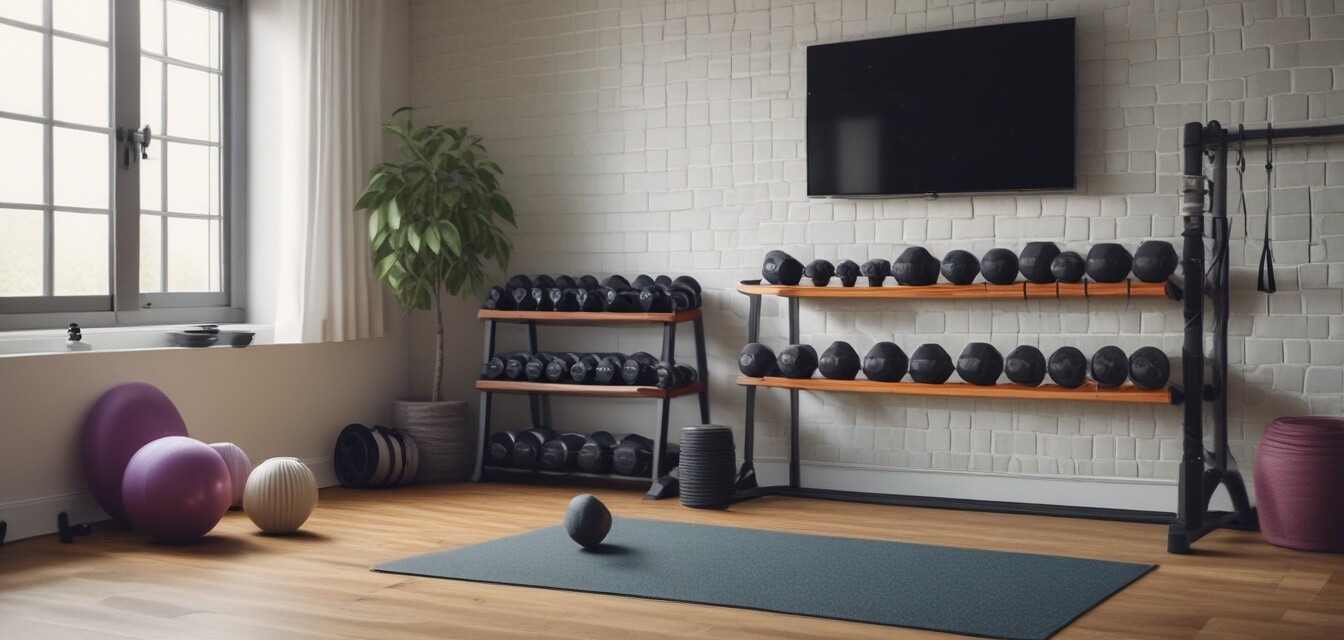
- Use mats or flooring designed for fitness to reduce slip risks.
- Ensure that any weights are securely racked after use.
Essential Equipment Maintenance
The durability of your equipment significantly impacts your safety. Here are some maintenance tips:
Tips for Beginners
- Identify each piece of equipment and understand its usage.
- Follow the manufacturer's instructions for maintenance.
- Consult a professional if you're unsure about equipment performance.
Safety Checks Before Working Out
| Safety Check | Description |
|---|---|
| Inspect Equipment | Check for loose bolts, frayed cables, or any signs of damage. |
| Organize Space | Ensure there’s enough space to move freely without obstacles. |
| Flooring Check | Ensure mats or flooring are in good condition, with no signs of wear. |
Creating a Secure Environment
Here are more tips to help establish a safe gym environment:
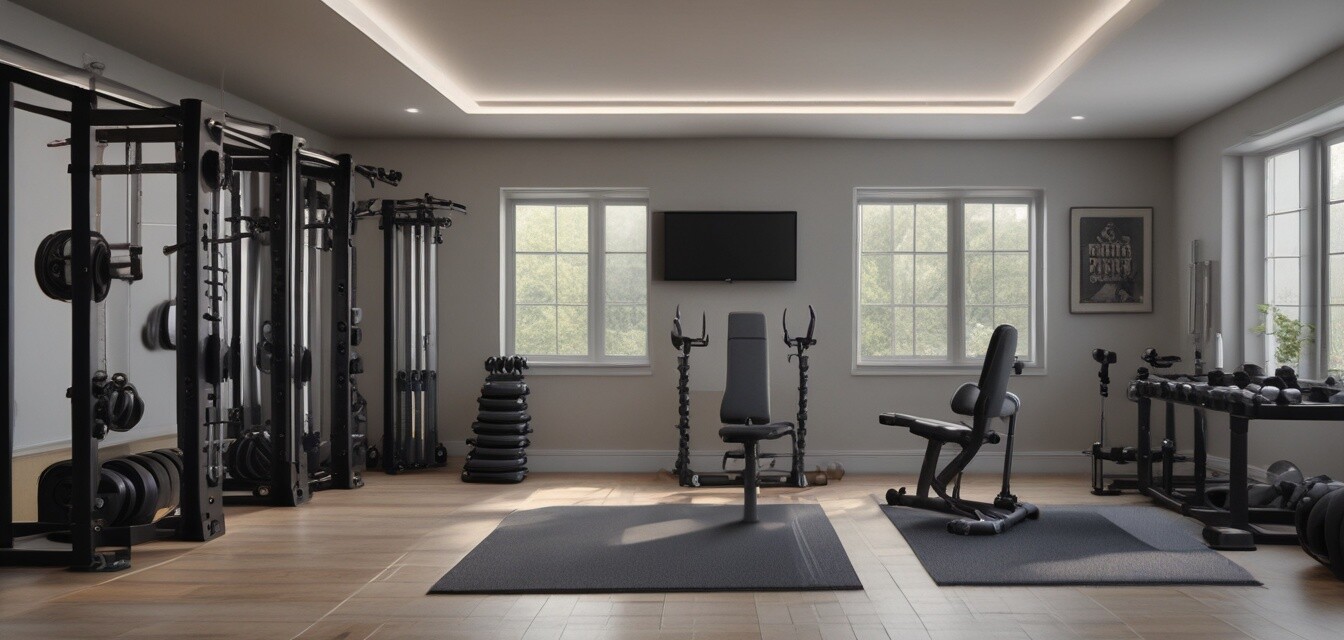
- Use wall anchors for heavy equipment to prevent tipping.
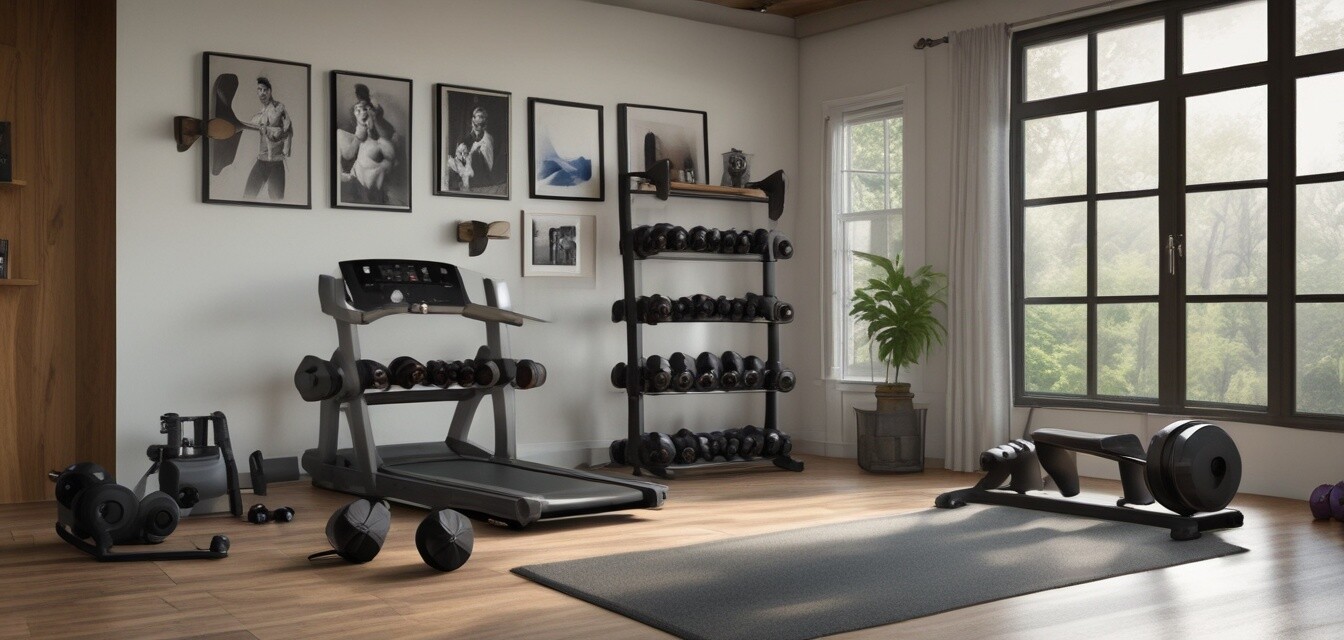
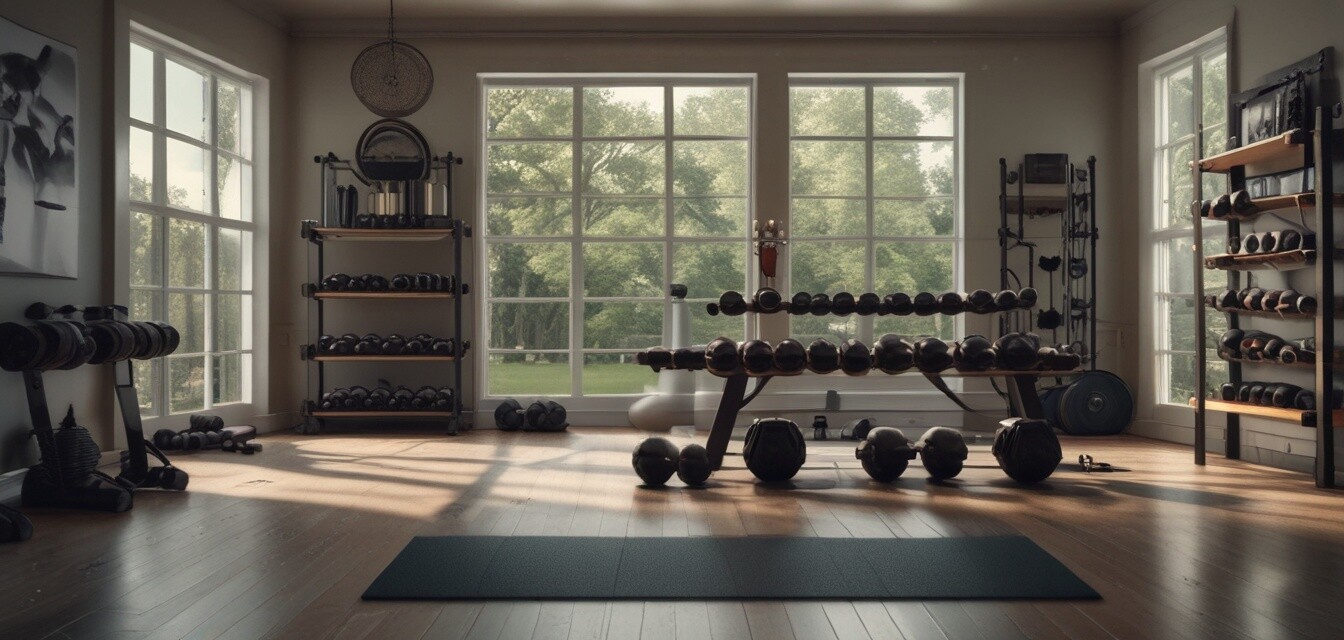
- Kettlebells and dumbbells should be stored in designated areas.
- Consider a designated area for stretching and yoga to avoid accidents.
Common Hazards in Home Gyms
Be vigilant about potential hazards that could lead to accidents. Awareness is key:
- Wet surfaces can lead to slips; always dry spills immediately.
- Ensure electrical cords are out of the workout space.
- Avoid placing equipment too close together to prevent injury.
Choosing the Right Flooring
The type of flooring in your gym can impact safety significantly. Here’s a comparison of different types:
| Flooring Type | Pros | Cons |
|---|---|---|
| Rubber Mats | Excellent grip, shock absorbent | Can be expensive |
| Foam Tiles | Easy to install, affordable | Less durability over time |
| Carpet | Comfortable, warm | Can trap dirt, harder to clean |
Equipping Your Home Gym with Safety in Mind
It's vital to ensure that the equipment you invest in is safe. Keep these considerations in mind:
- Opt for quality brands known for durability.
- Choose equipment that has proven safety ratings.
- Look for user reviews regarding safety performance.
Additional Resources
For more details about home gym equipment and safety, check out these pages:
Conclusion
In conclusion, safety in your home gym is paramount. Regular maintenance, proper equipment placement, and a keen awareness of your surroundings are vital for a secure workout space. By following these guidelines, you can create an effective and safe home gym that meets your fitness goals.
Pros
- Reduces risk of injuries
- Enhances workout experience
- Promotes longevity of equipment
Cons
- Initial setup costs can be high
- Requires ongoing maintenance