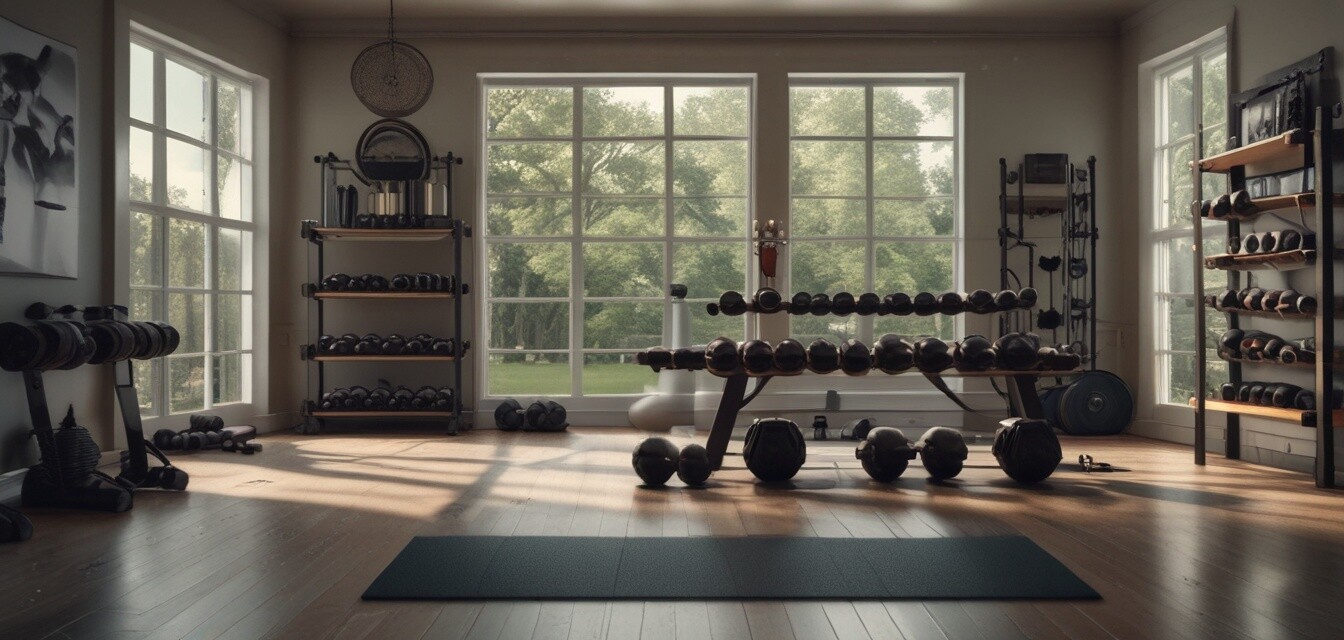
Strength training for beginners
Key Takeaways
- Start with basic equipment like dumbbells and resistance bands.
- Create a balanced routine focusing on major muscle groups.
- Consistency is key; aim for at least 2-3 sessions per week.
- Prioritize form over weight to prevent injuries.
- Stay hydrated and allow recovery time between workouts.
Strength training is an essential component of any fitness journey, especially for beginners. It helps build muscle, improve metabolism, and enhance overall health. In this comprehensive guide, we will explore the best equipment options, effective routines, and valuable tips to help you get started.
Choosing the right equipment
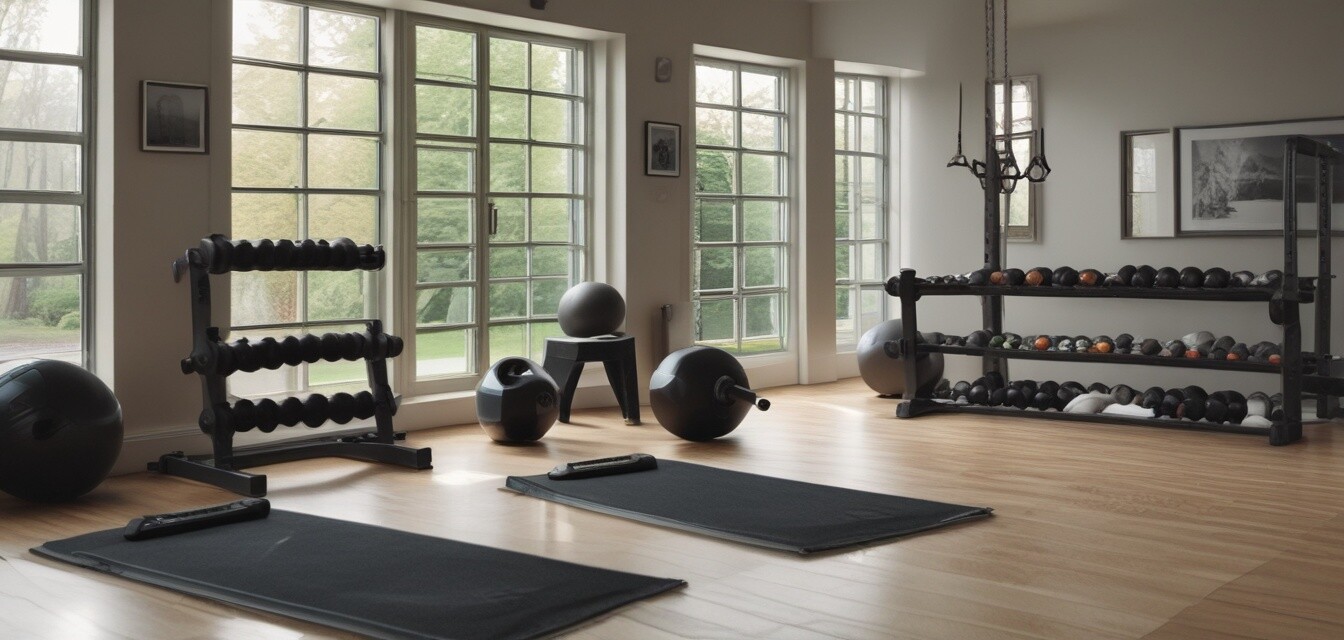
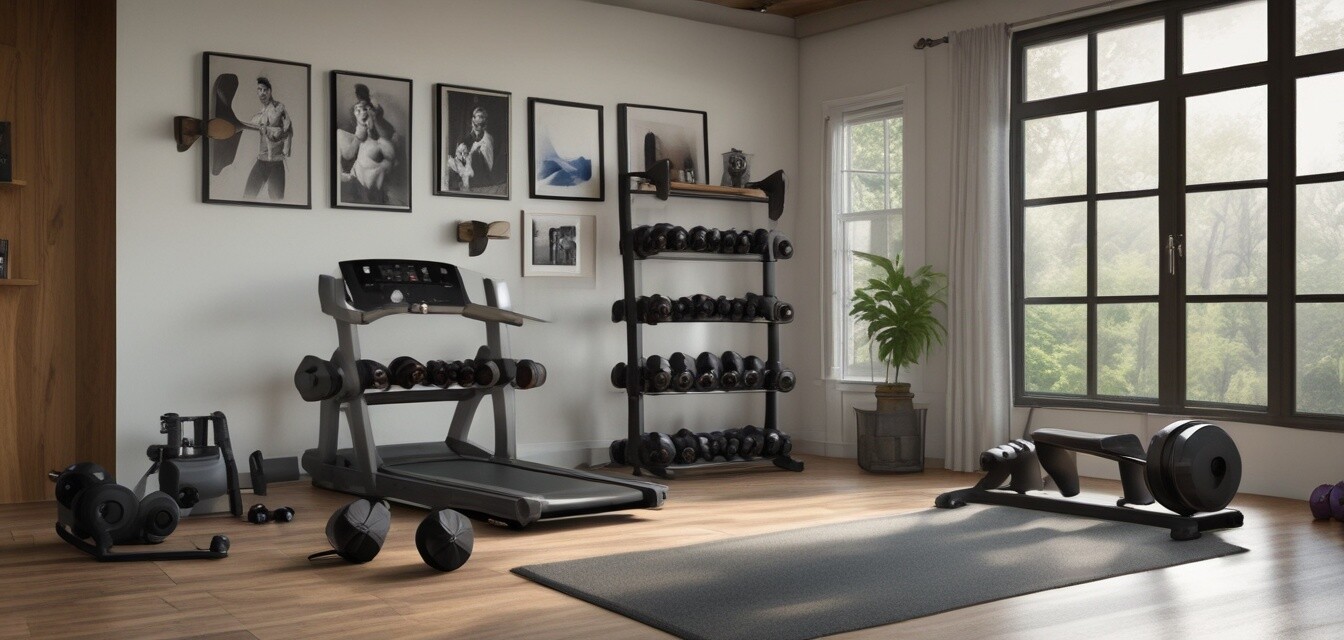
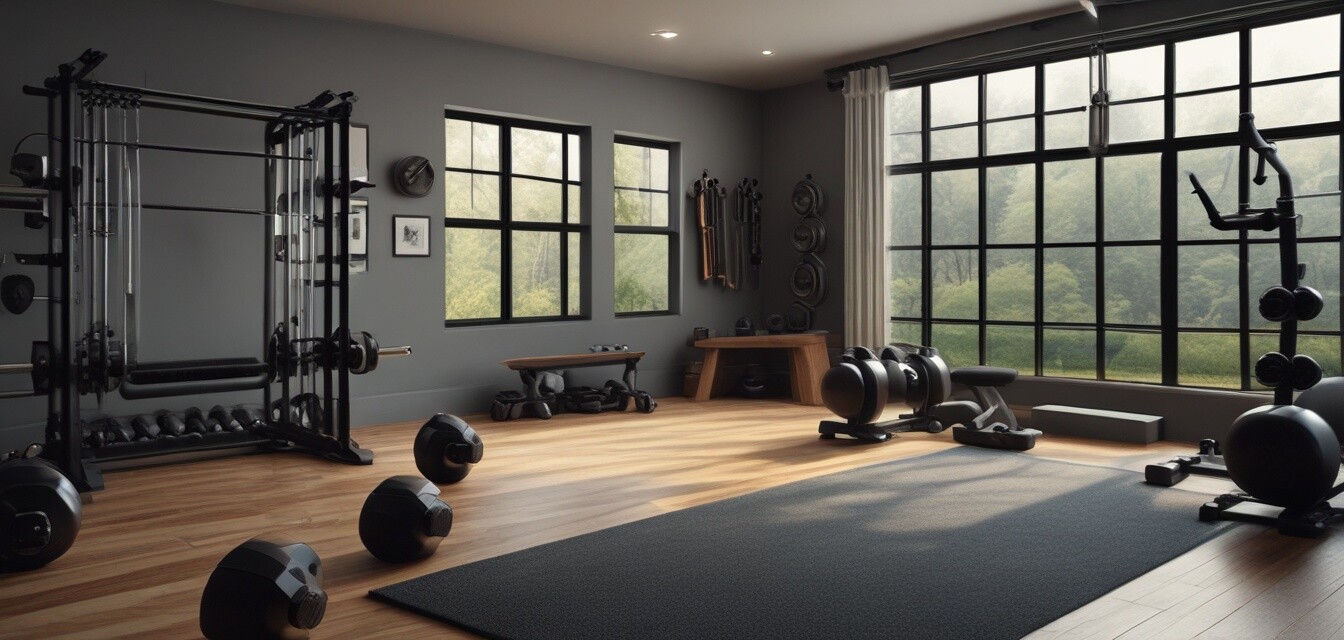
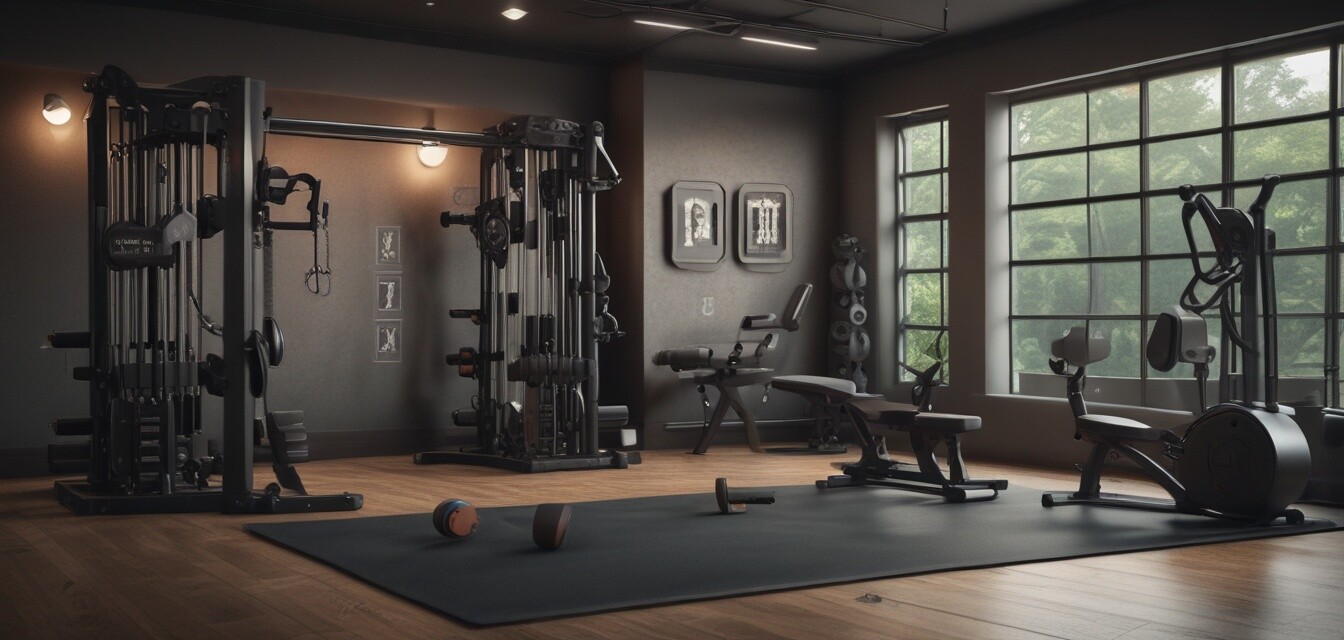
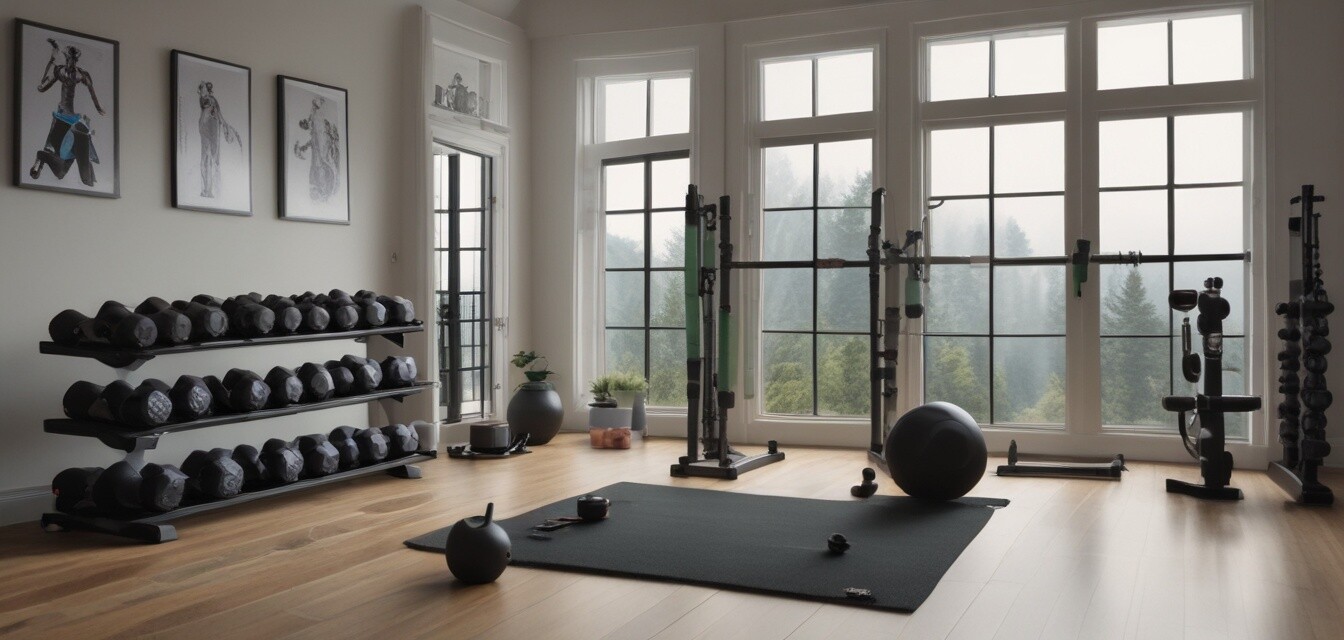
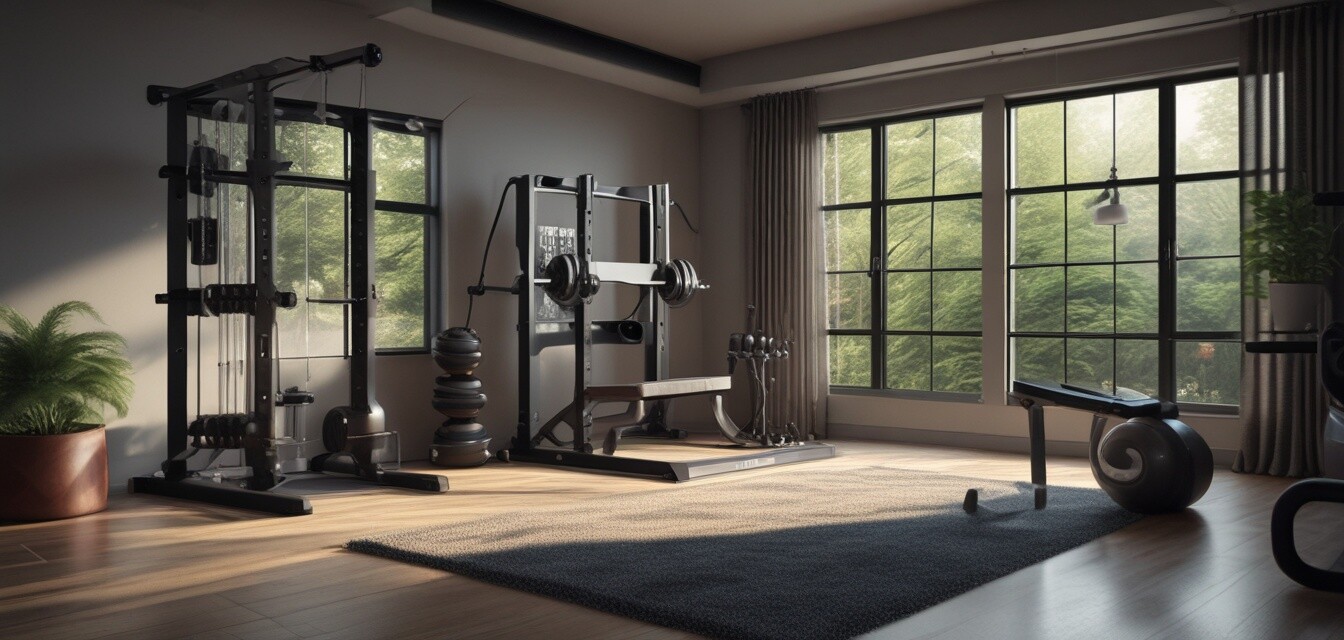
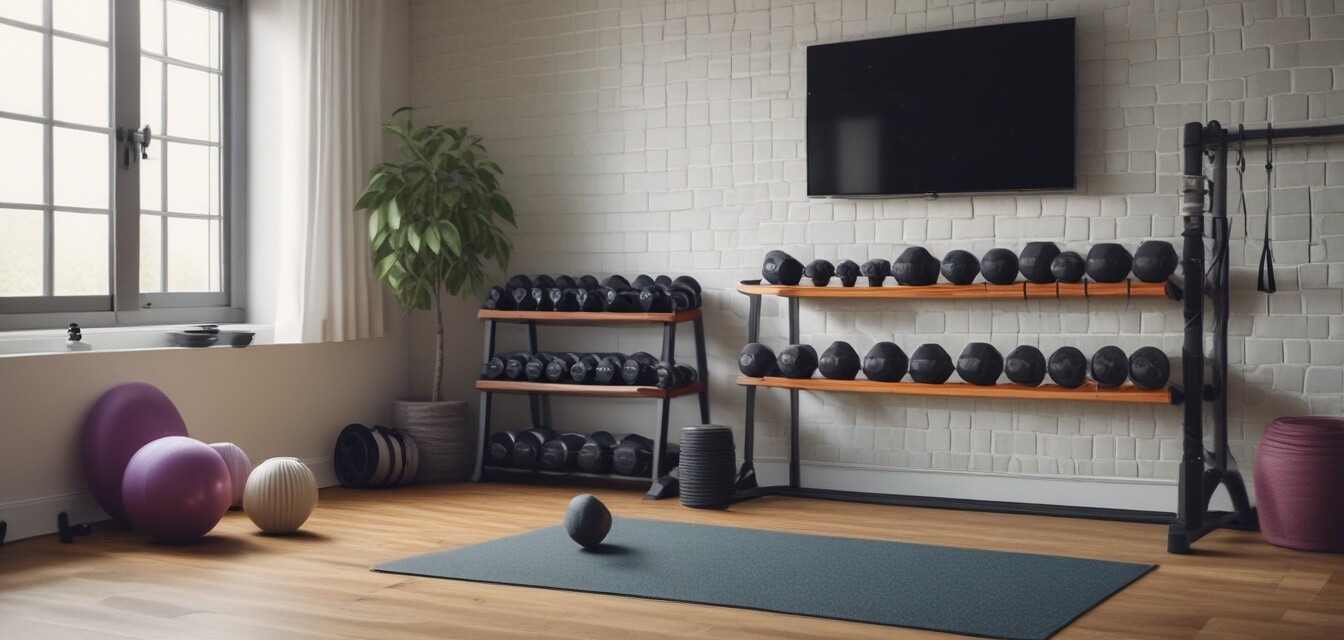
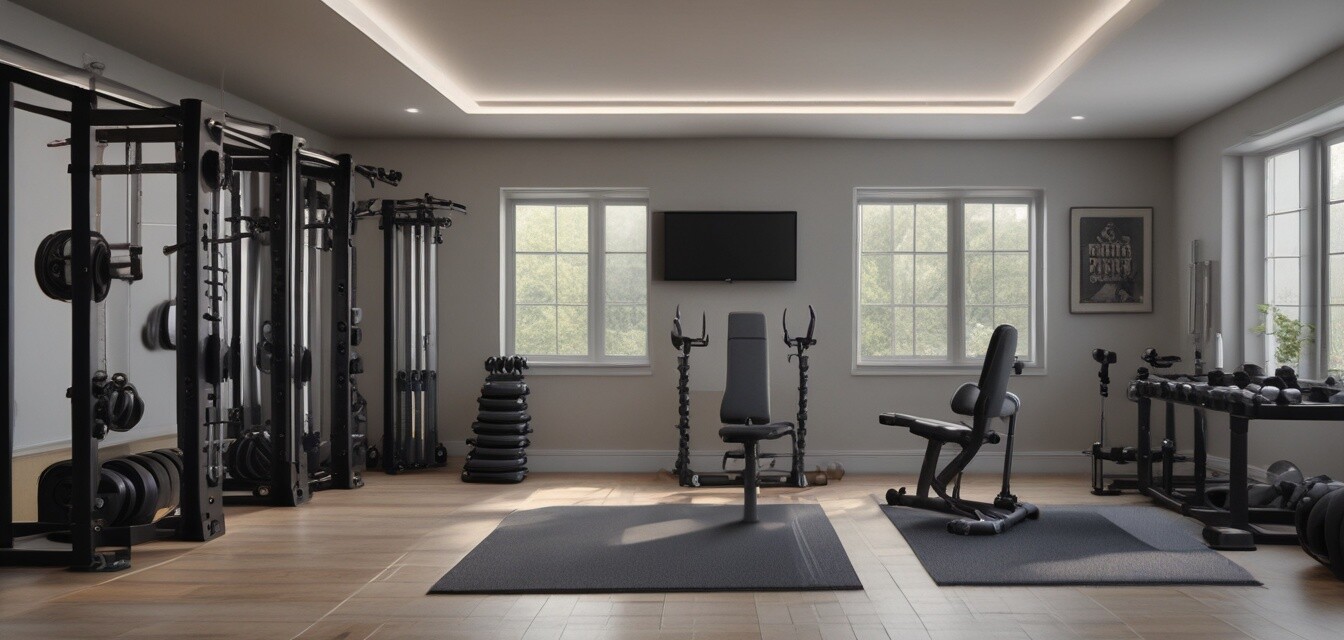
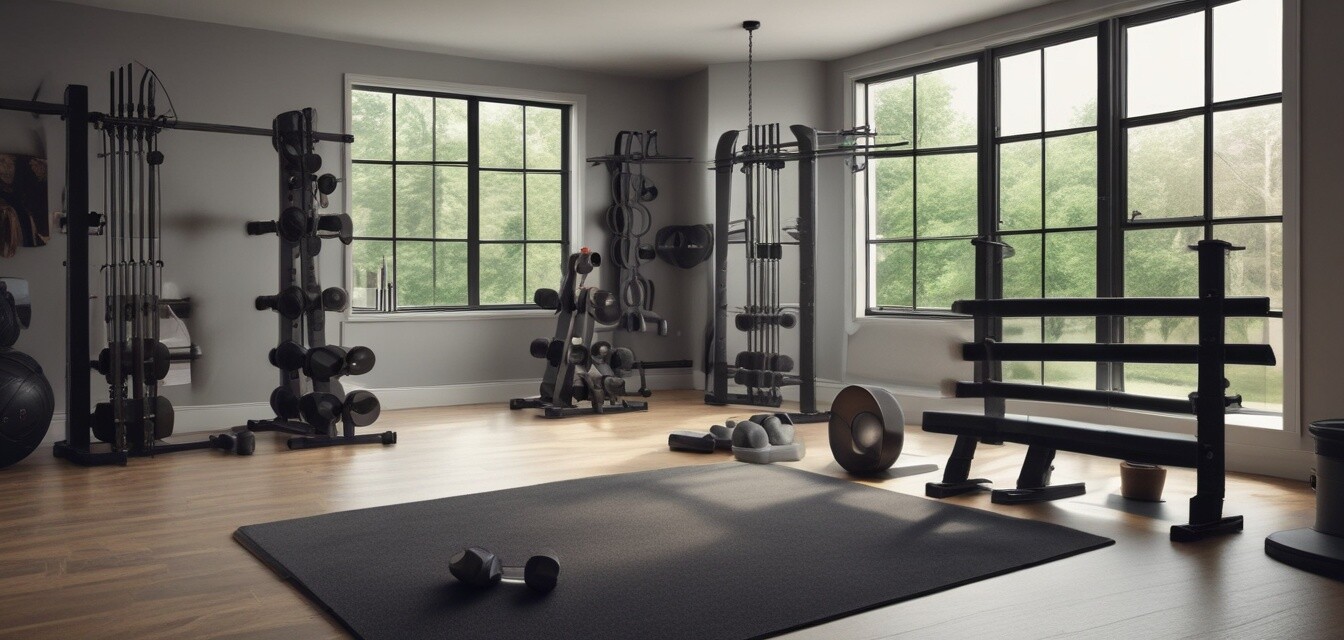
When starting your strength training journey, it’s crucial to choose the right equipment that fits your space and budget. Below is a table of popular equipment options:
| Equipment | Description | Benefits |
|---|---|---|
| Dumbbells | Free weights available in various weights | Versatile and suitable for various exercises |
| Resistance Bands | Elastic bands that provide resistance | Portable and great for beginners |
| Kettlebells | Weights with a handle for dynamic movements | Enhances strength and endurance |
| Weight Bench | Flat or adjustable bench for exercises | Supports various strength training exercises |
| Home Gym Flooring | Protective flooring for workout space | Reduces impact and provides comfort |
For more information on specific equipment, check out our pages on dumbbells and weights, resistance bands, and home gym flooring.
Creating an effective routine
Once you have selected the right equipment, the next step is to create a balanced training routine. Here are some foundational exercises to include:
Basic exercises for beginners
- Squats: Great for strengthening legs and glutes.
- Push-ups: Works the chest, shoulders, and triceps.
- Deadlifts: Effective for the back and legs.
- Bicep curls: Targets the arms.
- Planks: Core strengthening exercise.
Sample weekly routine
| Day | Workout |
|---|---|
| Monday | Upper body workout (Push-ups, Bicep curls) |
| Wednesday | Lower body workout (Squats, Deadlifts) |
| Friday | Core workout (Planks, Resistance band exercises) |
Tips for beginners
Beginner's tips
- Start with lighter weights and gradually increase as you gain strength.
- Focus on your form to avoid injuries.
- Warm up before and cool down after your workouts.
- Listen to your body; rest if you feel fatigued.
- Consider working with a trainer for personalized guidance.
Staying motivated
Staying motivated can be challenging, especially in the early stages of your strength training journey. Here are some strategies to keep you on track:
- Set realistic goals and track your progress.
- Join a fitness community or find a workout buddy.
- Celebrate small achievements along the way.
- Change up your routine to keep things fresh and exciting.
Conclusion
Strength training is a rewarding endeavor that can lead to significant improvements in your overall health and fitness. By choosing the right equipment, creating a balanced routine, and staying motivated, you can successfully embark on your strength training journey. For more home gym setup ideas, explore our compact cardio equipment and yoga and stretching equipment pages.
Pros
- Improves strength and muscle tone.
- Can be performed at home or the gym.
- Enhances overall fitness and well-being.
- Offers a variety of exercises for all fitness levels.
Cons
- Requires investment in equipment.
- Risk of injury without proper form.
- Can be intimidating for newcomers.
- Requires consistency to see results.
Visual Inspiration