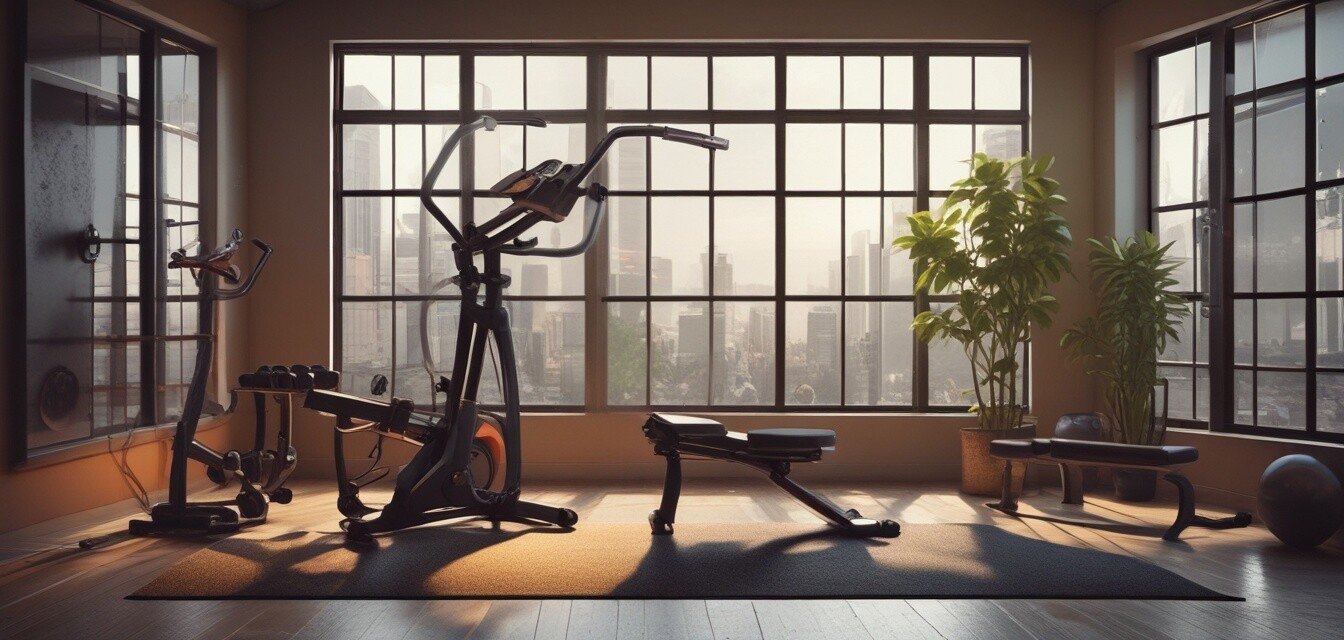
Changes in Consumer Preferences for Home Gyms
Key Takeaways
- Shift towards multifunctional equipment that saves space.
- Increased importance of digital features in gym devices.
- Growing popularity of eco-friendly and sustainable fitness products.
- Emphasis on community and social engagement in fitness.
- Preferences for customizable and adjustable equipment.
As we progress into 2026, the landscape of home gym setups is evolving at a rapid pace. Consumer preferences are being shaped by lifestyle changes, technological advancements, and a growing desire for personal fitness solutions that cater to their individual needs. This article aims to explore the key trends influencing consumer choices in home gym equipment and layouts, providing insights into the innovations redefining fitness spaces.
1. The Shift Towards Multifunctional Equipment
With many consumers living in smaller homes, there is an increasing demand for multifunctional gym equipment that serves multiple purposes. Equipment such as adjustable dumbbells, multi-station gym machines, and resistance bands have become popular because they maximize workout potential while minimizing the footprint of home gyms.
Benefits of Multifunctional Equipment
- Space-saving designs are ideal for smaller homes.
- Cost-effective since each piece replaces multiple separate devices.
- Versatile workout options that promote diverse training regimes.
2. The Rise of Digital Features
In 2026, consumers are leaning more towards gym equipment that incorporates digital technology. Smart fitness devices are enhancing workouts with features such as:
- Live streaming classes and on-demand workouts.
- In-depth performance analytics and tracking.
- Social connectivity with other fitness enthusiasts.
These digital innovations make it easier for users to stay motivated and engaged with their fitness goals. To learn more about how technology is advancing home gym setups, check out our News and Trends section.
3. Focus on Eco-Friendly Fitness Solutions
Sustainability is at the forefront of many consumers' minds, leading to a growing demand for eco-friendly fitness products. Consumers are increasingly seeking:
- Equipment made from recycled materials.
- Energy-efficient workout machines that have minimal impact on the environment.
- Brands that prioritize ethical manufacturing processes.
This shift toward sustainability not only benefits the planet but also helps buyers feel good about their purchases, aligning their values with their workout routines.
4. Emphasis on Community and Social Engagement
Modern fitness enthusiasts are also valuing the sense of community in their workout routines. Home gym setups are evolving to incorporate social features that provide connectivity, whether through fitness apps or organized group classes. These elements are critical in creating a sense of belonging among users.
Many consumers now prefer home gym solutions that offer:
- Virtual group workouts or competitions.
- Online communities to share progress and tips.
- Challenges and rewards to enhance motivation.
5. Customization and Adjustability
Another trend on the rise is the demand for customizable home gym equipment that can be adjusted to suit various fitness levels and preferences. Consumers are looking for:
| Customization Aspect | Description |
|---|---|
| Height Adjustments | Equipment that can be altered to meet different user heights. |
| Weight Variability | Systems that allow users to easily change resistance levels. |
| Modular Components | Pieces that can be added or removed according to user needs. |
This customization ensures that users can select equipment that best suits their personal workout styles, further enhancing their commitment to fitness.
Pros
- Enhanced user experience with tailored workout options.
- Adaptable spaces can cater to various training styles.
- Promotes community interaction for increased motivation.
Cons
- Higher upfront costs for advanced technology integration.
- Potential overwhelming choices for consumers.
- Compatibility issues between different brands and digital platforms.
Conclusion
The evolution of consumer preferences for home gyms in 2026 reflects a shift towards more efficient, sustainable, and community-oriented fitness solutions. By understanding these trends, both consumers and manufacturers can make informed decisions to create home workout spaces that are not only functional but also enjoyable. As the fitness industry continues to innovate, staying updated with new products and trends will be essential for maximizing the home gym experience.