How to Maintain Your Home Gym Equipment
Key Takeaways
- Regular cleaning and upkeep extend the lifespan of your equipment.
- Different types of equipment require specific maintenance procedures.
- Proper storage and organization prevent damage and encourage consistent workouts.
- Keeping a maintenance schedule can help in timely servicing.
- Understanding manufacturer guidelines is vital for optimal performance.
Setting up a home gym offers convenience and flexibility, but it’s crucial to keep the equipment in top condition for safety and efficiency. This guide will help you learn how to properly maintain your home gym gear to ensure its longevity and performance, keeping your workout experience seamless.
Why Equipment Maintenance is Essential
Just like any other valuable asset you own, gym equipment requires care. Regular maintenance not only ensures its longevity but also guarantees your safety during workouts. Failures from poorly maintained equipment can lead to unnecessary injuries.
Basic Maintenance Tips for Different Types of Equipment
Dumbbells and Weights
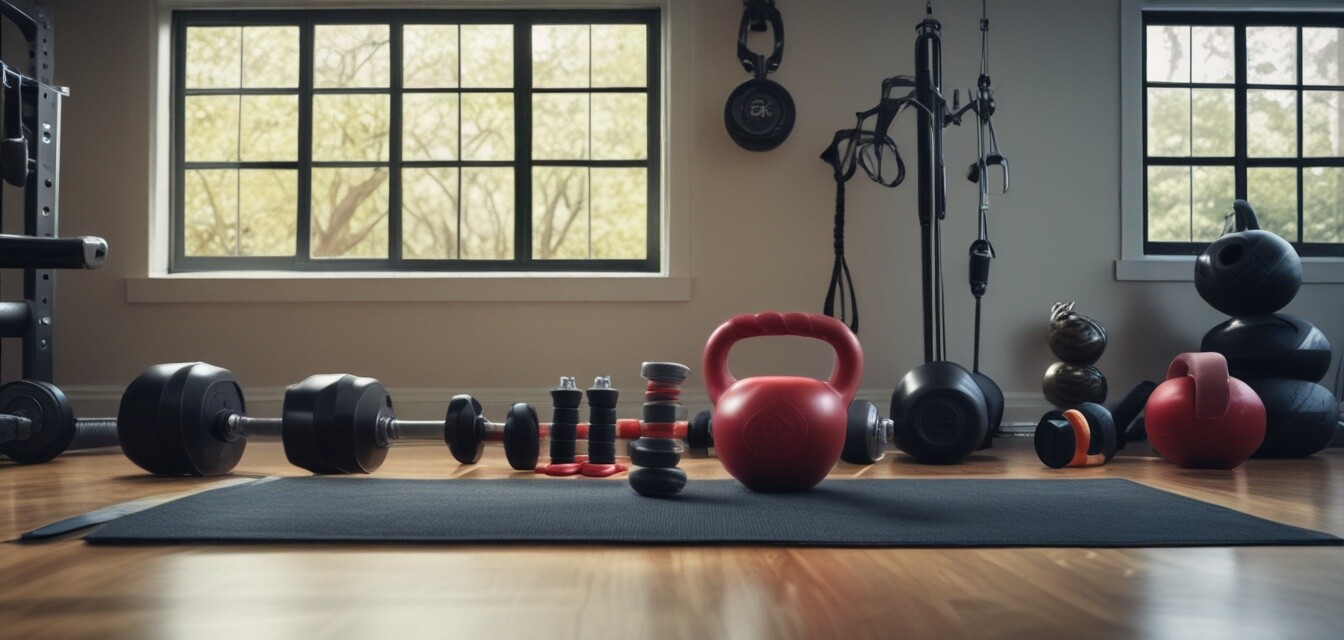
Maintaining your weights requires minimal effort but is crucial in keeping them in excellent condition.
- Wipe down your dumbbells after each use to remove sweat and dirt.
- Store weights in a dry, cool area to prevent rust and corrosion.
- Inspect regularly for any signs of wear or damage.
Kettlebells
Like dumbbells, kettlebells need consistent cleaning options. Follow these steps:
- Clean the handles and body after every session.
- Ensure they are stored in a dry environment to avoid damage to the finish.
- Check the base for stability if you use them on a hard surface.
Resistance Bands
Resistance bands can wear out over time. Here’s how to care for them:
- Inspect for tears and cracks before and after each use.
- Store them flat or rolled up, avoiding exposure to direct sunlight or extreme temperatures.
- Wash with mild soap and water to keep them clean.
Cardio Equipment
Machines such as treadmills, bikes, and ellipticals need specific attention:
- Keep the surfaces clean and free from dust.
- Lubricate moving parts as recommended in the user manual.
- Check belts and cables for any signs of wear.
Creating a Maintenance Schedule
Consistency is key to ensuring your equipment lasts long. Consider a monthly maintenance schedule where you perform basic checks and cleaning. Here’s a simple table you can use:
| Task | Frequency | Notes |
|---|---|---|
| Wipe down equipment | After each use | Use a disinfectant spray and cloth. |
| Inspect for damage | Monthly | Look for wear, rust, or loose parts. |
| Deep clean | Monthly | Use soap and water for deeper grime. |
| Lubricate moving parts | Every three months | Refer to the equipment manual. |
| Check electronics | Every six months | Ensure all buttons and readouts function normally. |
Storage and Organization
A well-organized gym space makes it easier to maintain equipment and encourages regular use. Here are some tips:
- Use shelves or racks to store weights and small gear.
- Invest in a designated space for larger equipment like treadmills.
- Keep cords and bands organized to prevent accidental damage.
Final Thoughts
By following these simple maintenance tips, you will keep your home gym equipment in excellent condition and ready for use whenever you need it. Your investment in proper upkeep translates directly into improved performance and safety during workouts.
Pros
- Prolongs the lifespan of your equipment.
- Ensures a safe workout environment.
- Helps avoid costly repairs down the line.
- Creates a more enjoyable workout experience.
Cons
- Time-consuming if neglected over time.
- May require additional tools or supplies.
- Certain equipment may require professional servicing.
For more tips on enhancing your home gym setup, explore our section on Expert Tips & Tricks. Don’t forget to check our categories on Dumbbells and Weights and Compact Cardio Equipment for your next purchase!