How to integrate stretching into your routine
Stretching is an essential component of any effective workout regimen, helping to improve flexibility, prevent injury, and promote recovery. In this article, we will explore practical strategies for incorporating effective stretching techniques into your home workouts. By making stretching a regular part of your routine, you'll enhance the quality of your workouts and achieve better results. Let's dive in!
Key Takeaways
- Incorporating stretching improves flexibility and mobility.
- Dynamic stretching is ideal for warm-ups, while static stretching is best for cool-downs.
- Consistent practice boosts performance and reduces injury risk.
- Equip your home gym with necessary tools for effective stretching.
- Tailor your stretching routine to specific muscle groups used during workouts.
The importance of stretching
Stretching not only prepares your muscles for physical activity but also aids in recovery post-workout. When integrated properly, it can enhance your overall performance and help maintain your body’s flexibility over time. Here's why stretching is crucial:
- Increases blood flow to muscles.
- Improves range of motion.
- Reduces muscle tension.
Types of stretching
Understanding the different types of stretching can help you optimize how you incorporate it into your routine. Below, we outline the main types of stretching:
| Type | Description | When to Use |
|---|---|---|
| Dynamic Stretching | Involves movement-based stretches to prepare muscles and joints for activity. | Before workouts as part of warm-up. |
| Static Stretching | Involves holding a stretch in a comfortable position for 15-60 seconds. | After workouts for cooldown. |
| Ballistic Stretching | Involves bouncing or jerking motions to stretch muscles. | Not recommended for beginners; to be done under supervision. |
| Proprioceptive Neuromuscular Facilitation (PNF) | A combination of stretching and contracting muscles for a deeper stretch. | Aimed at advanced practitioners and physical therapy. |
Creating a stretching routine
To effectively integrate stretching into your routine, follow these actionable steps:
- Identify target areas: Focus on muscles that are most engaged during your workouts.
- Choose the right time: Use dynamic stretches for a warm-up and static stretches post-workout.
- Create a schedule: Dedicate specific days or sessions solely for stretching.
- Incorporate tools: Utilize yoga mats, resistance bands, and foam rollers for enhanced stretching.
- Listen to your body: Adjust stretches based on how your body feels to avoid overextending muscles.
Tools for effective stretching
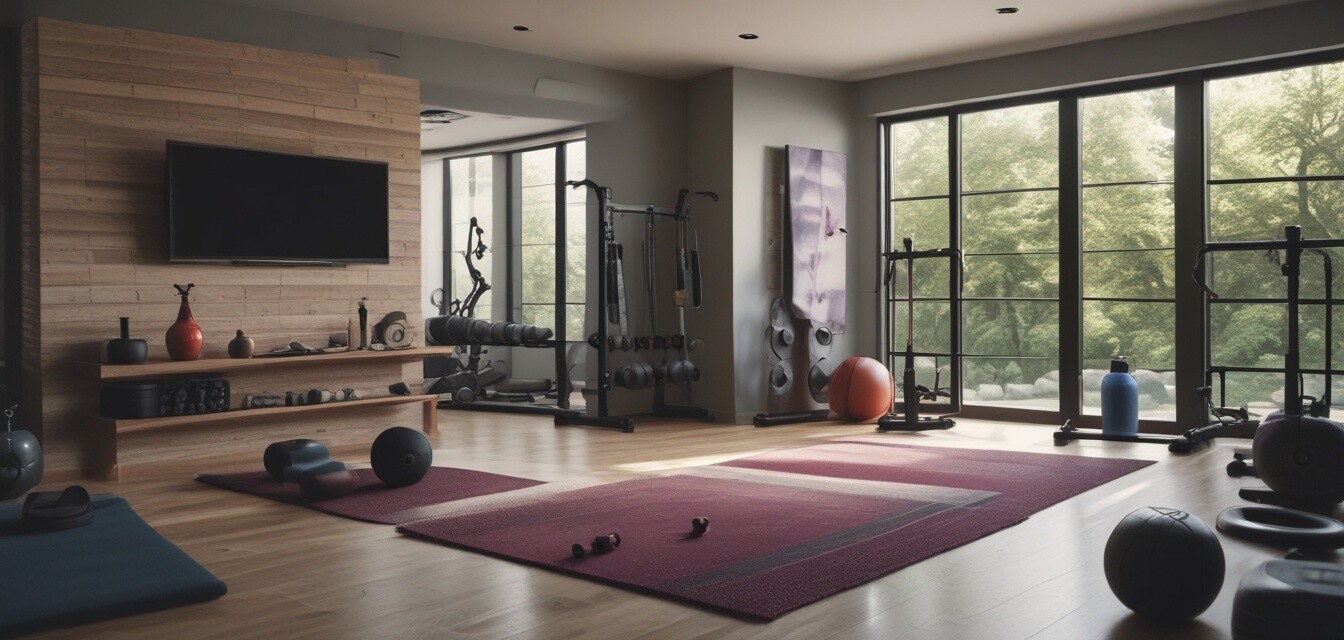
Having the right tools at home can significantly enhance your stretching routine. Here are some essential items to consider for your home gym:
- Yoga mats - Provide comfort and stability.
- Resistance bands - Add resistance for deeper stretches.
- Foam rollers - Help alleviate muscle tightness and improve flexibility.
Tips for effective stretching
Beginners Section
If you are new to stretching, keep these tips in mind:
- Start slow with gentle stretches.
- Avoid bouncing; hold stretches steadily.
- Focus on breath; breathe deeply to help relax your muscles.
- Incorporate a variety of stretches to work different muscle groups.
Stretching and strength training
Many home workouts primarily focus on strength training, but integrating stretching can enhance performance. Here’s how:
- Improves range of motion, enhancing exercise effectiveness.
- Helps maintain muscle elasticity during strength training.
- Prevents muscle soreness by promoting recovery.
Conclusion
Incorporating stretching into your home workout routine is essential for promoting flexibility and improving overall performance. By understanding the different types of stretching, creating a personalized routine, and utilizing appropriate tools, you can enjoy the benefits of an improved range of motion and reduced risk of injury. Start integrating stretching today and transform your workouts!
Pros
- Enhances flexibility and range of motion.
- Prepares muscles for workouts, reducing injury risk.
- Improves recovery time after exercise.
Cons
- May require consistent effort for best results.
- Improper stretching techniques can lead to injury.
- Time-consuming if not integrated efficiently into routines.