Creating a personal workout plan at home
Key takeaways
- Establish clear fitness goals to guide your plan.
- Assess the available space and equipment you have.
- Incorporate a variety of exercises to avoid plateaus.
- Track your progress to remain motivated and adjust as necessary.
- Stay consistent and remain flexible with your routine.
Designing a personalized workout plan is a significant step towards achieving your fitness goals, especially when working out at home. Whether you are a beginner or have some experience, creating a tailored plan ensures that each session is productive and aligned with your unique objectives. This guide will take you through the essential steps to create your own workout plan at home.
Defining Your fitness goals
Before diving into creating your home workout plan, it’s crucial to define your fitness goals. Some common goals include:
- Weight loss
- Muscle gain
- Improved endurance
- Increased flexibility
- Overall health improvement
SMART goals
Consider the SMART criteria to set your goals:
- Specific: Clearly define what you want to accomplish.
- Measurable: Track your progress by quantifying your goals.
- Achievable: Set attainable goals that challenge you.
- Relevant: Ensure your goals align with your fitness aspirations.
- Time-bound: Set a timeframe for reaching your goals.
Assessing available resources
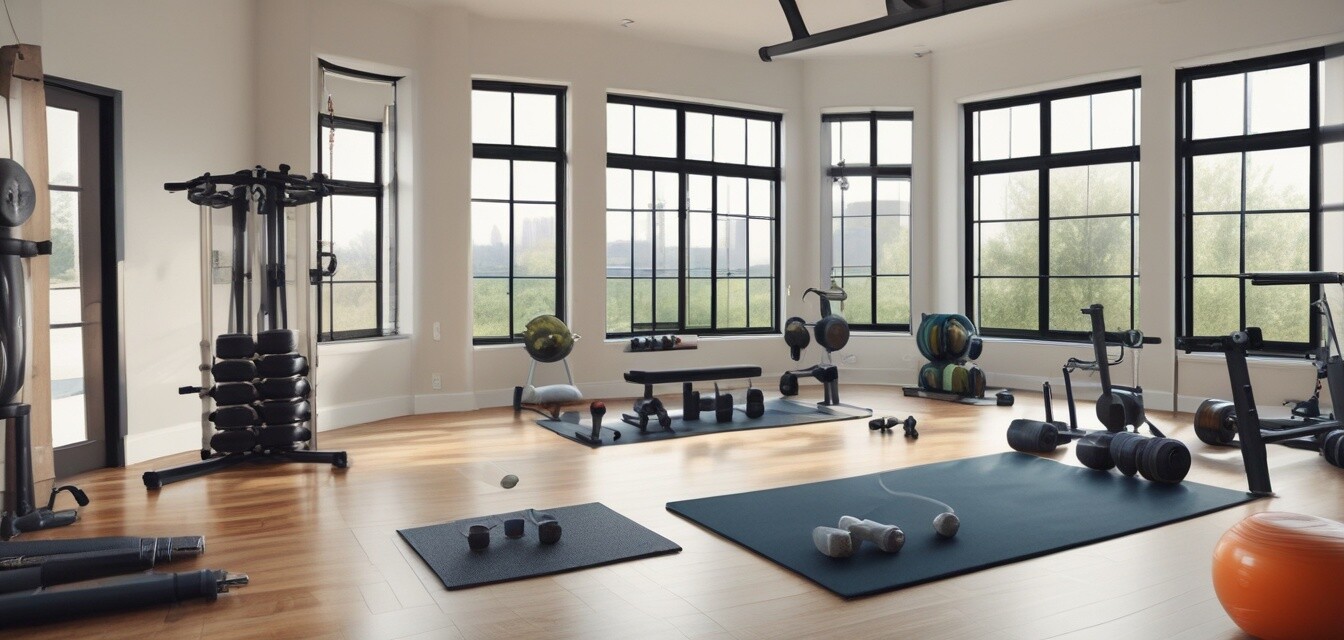
Evaluate the space and equipment you have at home. This will shape your workout routine. Consider the following:
- Space available for workouts
- Strength training equipment like dumbbells or kettlebells
- Cardio options like compact cardio equipment
- Yoga mats and accessories from yoga equipment
- Flooring options to create a safe workout area, check home gym flooring
Establishing a balanced routine
A balanced workout routine should incorporate different types of exercises for comprehensive fitness. Here are the main components:
| Exercise Type | Description |
|---|---|
| Cardiovascular | Exercises that elevate your heart rate like running, cycling, or jump rope. |
| Strength Training | Focus on muscle groups using equipment or bodyweight, e.g., squats, push-ups. |
| Flexibility | Stretching exercises that improve range of motion and prevent injuries. |
| Core Workouts | Target your core muscles for overall stability and strength. |
Sample Weekly Workout Plan
Here’s a sample weekly workout plan to help guide your structure:
| Day | Focus | Workout |
|---|---|---|
| Monday | Strength Training | Full body workout with dumbbells and kettlebells |
| Tuesday | Cardio | 30 minutes of running or cycling |
| Wednesday | Flexibility | Yoga or stretching routine |
| Thursday | Core Workouts | Planks, bicycle crunches, and leg raises |
| Friday | Strength Training | Upper body focus with resistance bands |
| Saturday | Active Recovery | Light walking or restorative yoga |
| Sunday | Rest | No workouts, focus on nutrition and hydration |
Tracking progress
To ensure you are on track to achieving your goals, it’s essential to monitor your progress. Here are some essential tips:
- Keep a workout journal to record your daily routines.
- Use fitness apps or wearables to track workouts and health metrics.
- Regularly assess your progress - adjust your goals as necessary.
- Take before-and-after photos to visually track changes.
Staying motivated
Staying motivated can be a challenge when working out at home. Here are some strategies to keep your energy up:
- Create a designated workout space that inspires you.
- Set mini-goals to celebrate small victories.
- Incorporate variety to keep your workouts exciting.
- Join online fitness communities for support.
- Reward yourself for reaching milestones.
Conclusion
Creating a personal workout plan at home is an empowering endeavor that can enhance your physical fitness and mental well-being. By defining your goals, assessing your resources, establishing a balanced routine, and tracking your progress, you can design an effective workout plan tailored to your needs. Remember that the journey is just as important as the destination, so stay committed and adjust your strategy as needed to keep progressing towards your fitness goals.
Tips for beginners
- Start slow: Don't push too hard too quickly; allow your body to adapt.
- Educate Yourself: Look up exercises online to ensure proper form.
- Stay Hydrated: Drink plenty of water before, during, and after your workouts.
- Listen to Your Body: Rest if you feel pain or discomfort.