Building Your Home Gym on a Budget
Key Takeaways
- Set clear fitness goals before purchasing equipment.
- Prioritize multi-use equipment that fits your space.
- Consider buying second-hand or refurbished items.
- Utilize DIY solutions for flooring and equipment storage.
- Keep track of sales and discounts to save costs.
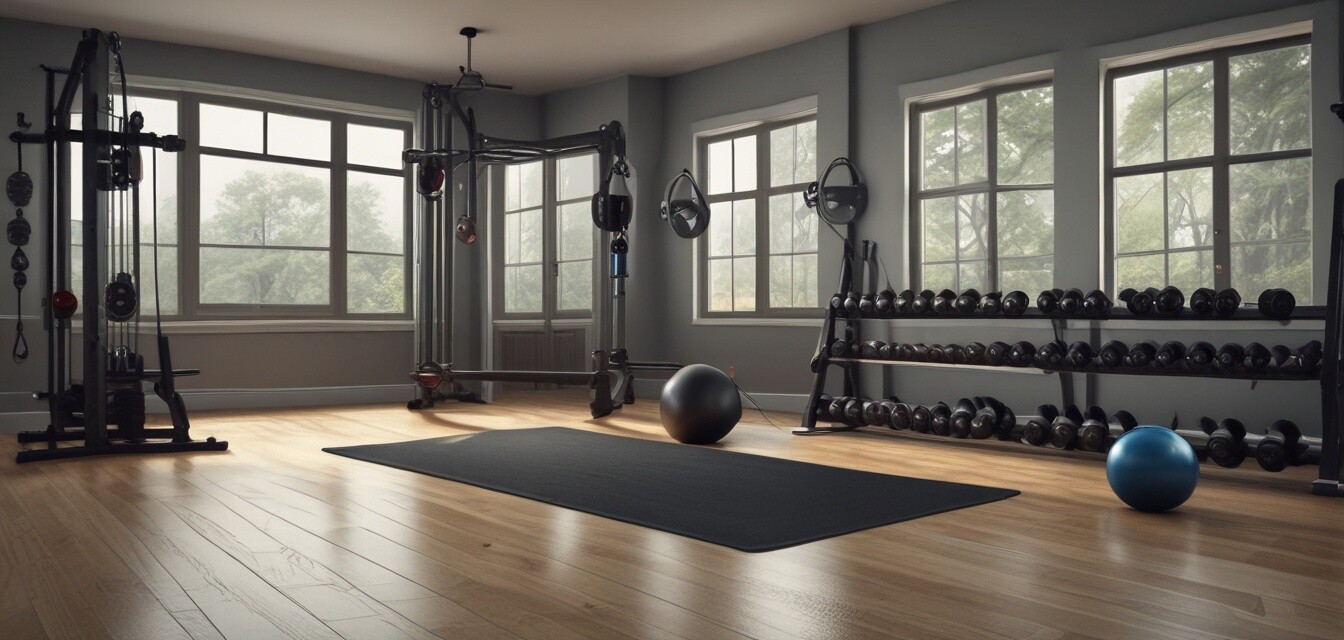
Setting up a home gym can be daunting, especially if you're trying to stick to a budget. However, with strategic planning and the right resources, you can create an effective workout environment without breaking the bank. In this guide, we’ll explore practical strategies for building your home gym on a budget.
Assessing Your Fitness Needs
To build a functional home gym, the first step is to understand your fitness goals and needs. Identify the types of workouts you enjoy and the equipment required. Here are some general guidelines:
- Cardio: Think about your preference for running, cycling, or other aerobic exercises.
- Strength training: Decide whether you need free weights, resistance bands, or machines.
- Flexibility and Stretching: Consider adding yoga mats or foam rollers.
For more insights into creating your personalized space, visit our buying guides section.
Choosing the Right Equipment
When it comes to selecting equipment, opt for items that maximize value. Below are some budget-friendly options to consider:
| Equipment | Advantages | Estimated Cost |
|---|---|---|
| Dumbbells | Versatile and portable, excellent for strength training. | $20 - $100 |
| Resistance Bands | Lightweight and easily adjustable resistance. | $10 - $50 |
| Yoga Mat | Ideal for stretching and floor exercises. | $10 - $30 |
| Kettlebells | Perfect for dynamic strength training. | $15 - $80 |
Consider Multi-Use Equipment
Investing in equipment that can serve multiple purposes saves space and money. For example, resistance bands can be used for strength training, stretching, and rehabilitation exercises. Further, kettlebells can be utilized for a range of workouts, from cardio to strength training. For more options, check out our section on kettlebells.
Exploring Budget-Friendly Options
Buy Second-Hand
Purchasing used equipment can lead to significant savings. Check local classified ads, thrift shops, or online marketplaces. Often, you can find high-quality equipment barely used and at a fraction of the original price. Always inspect items carefully before buying to ensure they’re in good condition.
DIY Solutions
With a little creativity, you can create your own equipment or solutions for your home gym. Here are some ideas:
- Use sturdy containers or bags as makeshift weights.
- Create a bench using plywood and sturdy furniture.
- Designate a corner of your room for yoga and stretching.
For more budget-friendly tips, check our Expert Tips & Tricks page!
Flooring Considerations
The type of flooring in your home gym can impact your workouts and overall experience. Here are some economical options:
| Flooring Type | Pros | Cons |
|---|---|---|
| Rubber Tiles | Durable, shock-absorbent, and easy to clean. | Can be more expensive initially. |
| Foam Tiles | Comfortable and inexpensive. | Less durable, might wear quickly. |
| Carpet | Soft and inexpensive; good for stretching. | Harder to clean and less suited for weights. |
Staying Motivated
Once your gym is set up, the next challenge is staying motivated. Here are some tips:
- Set a consistent workout schedule.
- Create a motivating playlist to energize your workouts.
- Track your progress to see improvements.
- Join online fitness communities for support and motivation.
Creating a Comfortable Environment
A well-organized and attractive space not only makes working out more enjoyable but encourages you to exercise regularly. Consider these factors:
- Good lighting: Ensure the area is well-lit and welcoming.
- Personal touches: Add inspirational quotes or wall art.
- Organization: Use bins or racks to keep your equipment handy and tidy.
Conclusion
Building your home gym on a budget is not only possible but can also be a rewarding project. By evaluating your needs, choosing the right equipment, and incorporating innovative solutions, you can create a personal fitness oasis. Remember to adapt to your preferences and enjoy the process!
Pros
- Cost-effective solutions for a home gym.
- Increased convenience and flexibility in workout times.
- Ability to exercise in a comfortable and private setting.
Cons
- Initial setup may require effort and research.
- Potential for distractions at home.
- Limited access to certain fitness classes or professional guidance.