Best Practices for Creating a Workout Schedule
Key Takeaways
- Find your optimal workout days and times.
- Incorporate a mix of strength training and cardio.
- Set realistic goals to keep motivation high.
- Adjust your schedule regularly to fit your lifestyle.
- Track your progress to see how you improve over time.
Creating a workout schedule can sometimes feel overwhelming, especially when balancing work, family, and personal time. However, with a structured plan, you can achieve your fitness goals while ensuring that your workouts are enjoyable and effective. In this article, we'll explore best practices to help you create a sustainable workout schedule. Whether you are looking to incorporate dumbbells and weights or prefer compact cardio equipment, we have tips that cater to all preferences.
1. Assess Your Current Lifestyle
The first step in developing a workout schedule is to assess your current lifestyle. Evaluate your daily routine and identify time slots where you can consistently dedicate time to exercising.
- Identify your best time for exercising: morning, lunchtime, or evening?
- Consider factors like work commitments and family obligations.
- Find days when you can incorporate longer workout sessions.
2. Create a Balanced Schedule
To achieve long-term results, it’s important to incorporate a mix of exercises into your weekly routine. Aim for a balanced approach:
| Day | Workout Type | Duration |
|---|---|---|
| Monday | Strength Training (Upper Body) | 45 minutes |
| Tuesday | Cardio | 30 minutes |
| Wednesday | Strength Training (Lower Body) | 45 minutes |
| Thursday | Yoga/Stretching | 30 minutes |
| Friday | Full-body Workout | 60 minutes |
| Saturday | Active Recovery (walking, cycling) | 30-60 minutes |
| Sunday | Rest Day | - |
3. Set Clear and Achievable Goals
Your goals will shape your workout schedule. Identify what you want to achieve:
- Building muscle or increasing strength
- Losing weight or improving cardiovascular health
- Enhancing flexibility and balance
SMART Goals
Utilize the SMART framework for setting goals:
- Specific: Clearly define what you want to achieve.
- Measurable: Establish criteria for measuring progress.
- Achievable: Set realistic and attainable goals.
- Relevant: Ensure your goals align with your overall health objectives.
- Time-bound: Set a timeline to reach your goals.
4. Adjust as Needed
Life can be unpredictable, and that’s perfectly okay! Allow flexibility in your workout schedule to account for changes in life, such as work commitments or family events. If something arises, don’t hesitate to adjust your workouts. Here’s how:
- Swap workout days if you have unexpected events.
- Modify workouts to shorter durations when pressed for time.
- Integrate home workouts if you can't make it to the gym.
5. Track Your Progress
Keeping track of your workouts and progress not only helps you stay motivated but also highlights areas where you can improve. Use a notebook, an app, or an online tool to log:
- Your workout routines and durations.
- Your weight, reps, and sets for strength exercises.
- Cardio sessions and endurance levels.
6. Create a Motivating Environment
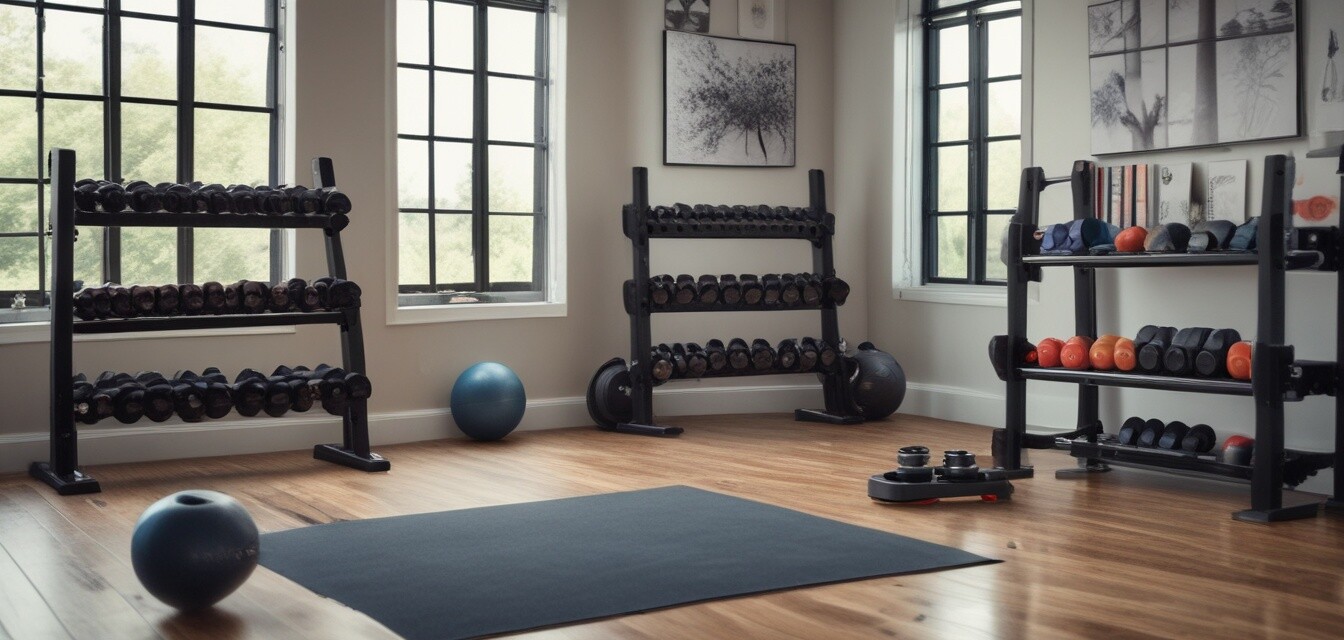
Your workout environment plays a significant role in how you feel about your exercises. Ensure that your home gym setup is inviting and motivating. Here are some tips:
Tips for a better workout environment
- Set up a dedicated workout space, even if it’s small.
- Choose equipment that you enjoy using, whether it’s kettlebells or resistance bands.
- Decorate with inspiring quotes or images that resonate with your fitness journey.
- Adjust the lighting and create a playlist of motivating music to energize your sessions.
Conclusion
Crafting a well-organized workout schedule tailored to your lifestyle can transform your home gym experience and ensure you stay on track to meet your fitness goals. Whatever your objectives may be, implementing these best practices will set you up for success. With patience and perseverance, your efforts will yield fruitful results in your fitness journey.
Pros
- Structured approach leading to better results.
- Flexibility to adapt to life changes.
- Increased motivation through tracking progress.
- Encouragement to try different workout types.
Cons
- Requires self-discipline and commitment.
- May need regular adjustments to keep it relevant.