How to Balance Cardio and Strength Training
Key Takeaways
- Incorporating both cardio and strength training is essential for a well-rounded fitness routine.
- Start gradually by integrating both workouts throughout the week.
- Focus on creating a workout schedule that accommodates your lifestyle.
- Utilize a variety of equipment, such as dumbbells and cardio machines, to keep workouts interesting.
- Listening to your body is crucial to avoid injury and maintain motivation.
The balance between cardio and strength training can be a challenge, especially when setting up your home workout routine. Both forms of exercise offer unique benefits, and integrating them effectively can elevate your fitness results. This article provides practical tips on how to find that perfect balance between cardio workouts and strength training in your home gym setup.
Understanding the benefits of cardio and strength training
Before diving into tips for balancing cardio and strength training, it's essential to understand the unique benefits each type of workout offers:
| Type of Workout | Benefits |
|---|---|
| Cardio | Boosts endurance, burns calories, improves cardiovascular health, and enhances mood. |
| Strength Training | Builds muscle, increases metabolism, improves bone density, and promotes functional fitness. |
Tips for integrating cardio and strength training
1. Create a balanced weekly schedule
To reap the benefits of both cardio and strength training, it’s important to have a well-structured workout schedule. Here’s how you can break it down:
- Cardio Focus: Aim for 2-3 days of focused cardio sessions (running, cycling, or interval training).
- Strength Focus: Incorporate 2-3 days of strength training workouts that cover major muscle groups.
- Rest Days: Ensure you are allowing for adequate rest and recovery to prevent overtraining.
2. Combine workouts for efficiency
Combining cardio and strength training into one workout can maximize your time and results. Here are some methods:
- Circuits: Alternate between strength exercises and short bursts of cardio (jump rope, jumping jacks).
- HIIT: High-Intensity Interval Training involves cycles of intense cardio followed by strength moves.
- Supersets: Pair two different strength exercises and finish each set with a cardio move (e.g., burpees).
3. Choose the right equipment
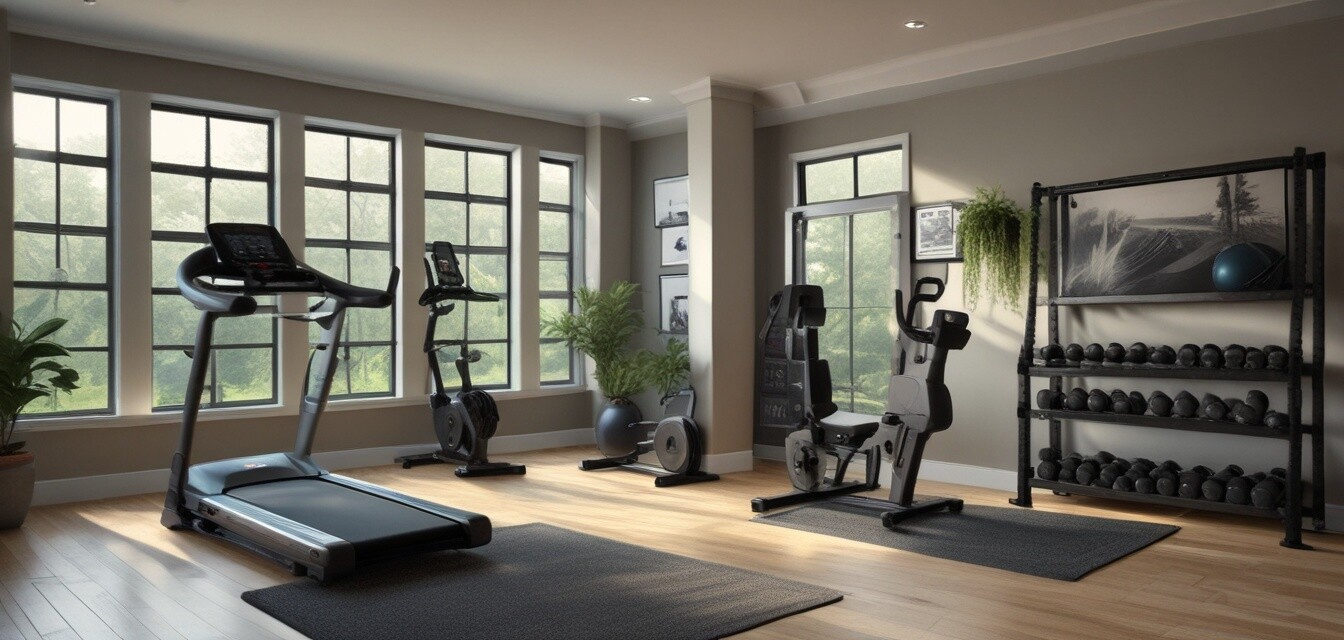
Equipping your home gym with versatile and compact equipment is essential for achieving a balance between cardio and strength training. Consider investing in:
- Compact cardio equipment such as treadmills or stationary bikes.
- Dumbbells and weights for effective strength training targeting various muscle groups.
- Resistance bands for building strength and improving flexibility.
4. Listen to your body
During your workouts, it is crucial to pay attention to how your body feels. Here’s how to listen effectively:
- Take note of any pain—modify or skip exercises that cause discomfort.
- Assess energy levels—if you're fatigued, consider a lighter workout.
- Stay mindful of your motivation levels—switch up your routine if it becomes stale.
Common mistakes to avoid
Avoiding common pitfalls can help you maintain a balanced approach to your fitness routine:
- Pushing too hard without sufficient rest, leading to burnout.
- Neglecting either cardio or strength training, which can hinder overall progress.
- Failing to track progress and adjust workouts based on results.
The importance of home gym environment
Creating an inviting home gym environment is fundamental for staying motivated. Consider these elements:
- Lighting: Ensure adequate lighting to create an energizing atmosphere.
- Organization: Keep your space tidy and equipment easily accessible.
- Personalization: Add motivation quotes or images that inspire you to work out regularly.
Conclusion
Effectively balancing cardio and strength training in your home gym can maximize your health and fitness results. Establish a structured routine, invest in the right equipment, and listen to your body to keep your workouts enjoyable and efficient. By following these tips, you are well on your way to achieving a fitness regimen that supports both your strength and endurance goals.
Tips for beginners
- Start with shorter sessions and gradually increase duration.
- Incorporate a variety of exercises to keep things engaging.
- Don’t hesitate to seek guidance or tutorials for new workout techniques.
Pros
- Enhances overall fitness and health.
- Improves athletic performance and functional movement.
- Can be tailored to fit individual preferences and goals.
Cons
- May require time for perfecting balance.
- Risk of injury if not executed properly.
- Equipment investment may be necessary.
Additional resources
For more information on home gym setups, check out our buying guides, and stay updated with the latest news and trends in fitness.