Seasonality: Adjusting Your Training for the Year
- Modify your workouts according to seasonal changes for better motivation.
- Incorporate diverse training elements based on the time of year.
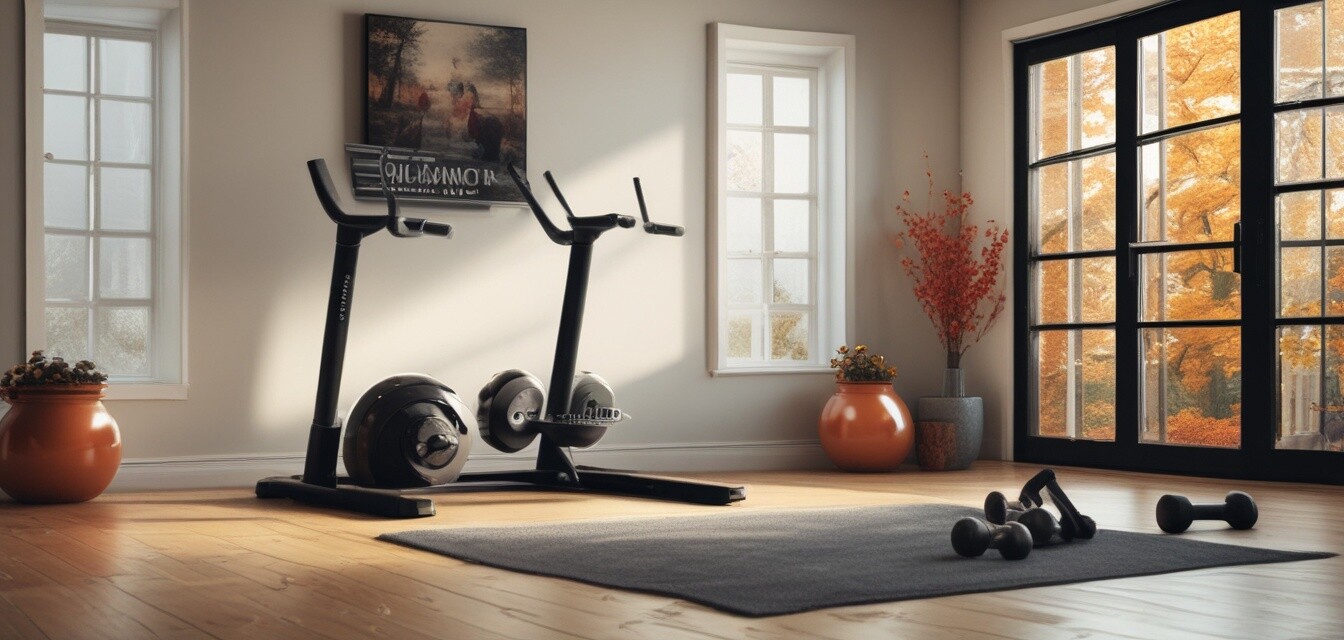
- Consider climate and environment for your home gym setup.
- Stay organized with seasonal fitness goals to track your progress.
As the seasons change, so can your approach to fitness. Understanding how to adjust your training throughout the year can keep you motivated and improve your results. This article will guide you on how to modify your home workout routine according to the season, ensuring you maintain enthusiasm and effectiveness in your fitness journey.
Why seasonality matters in training
The year is broken into seasons, each with its unique characteristics that can influence how you train. By acknowledging these changes, you can enhance your workout plan to better suit your environment and your mental state. Here’s what to consider:
- Weather conditions: For instance, colder months may require indoor workouts or alternative exercises.
- Daylight availability: Longer days in summer might encourage more outdoor activities.
- Social activities: Holidays and summer vacations can impact your schedule and focus.
Adjusting your training routine
Here’s how to tailor your workouts through each season:
Spring
- Focus on outdoor exercises, such as jogging or cycling, to enjoy the mild weather.
- Begin integrating more cardio-based workouts to shed winter weight.
- Set new fitness goals inspired by the energy of renewal and growth.
Summer
- Incorporate high-intensity interval training (HIIT) to maximize efficient workouts.
- Take advantage of increased daylight for evening outdoor activities.
- Stay hydrated and prioritize recovery between workouts.
Fall
- Return to indoor training as temperatures drop, perhaps focusing on strength training.
- Use this time for deeper concentration on form and technique.
- Create a routine that may include a variety of fitness equipment from home gym accessories.
Winter
- Utilize versatile home gym equipment to keep workouts dynamic and engaging.
- Plan workouts during daylight to enhance motivation and prevent winter blues.
- Engage in activities that can be done indoors, such as yoga and resistance band exercises.
Creating a seasonal workout plan
As you adjust your training schedule through the seasons, it’s helpful to create a structured workout plan. Below is a simple template that you can customize according to your preferences and needs:
| Season | Workout Focus | Equipment Needed |
|---|---|---|
| Spring | Outdoor cardio, circuit training | Resistance bands, yoga mat |
| Summer | HIIT, functional training | Weights, water bottles for hydration |
| Fall | Strength training, core workouts | Dumbbells, stability ball |
| Winter | Flexibility, indoor endurance | Kettlebells, exercise DVD |
Staying motivated throughout the year
Maintaining motivation can be challenging, but recognizing seasonal factors can help keep your spirits high. Here are some tips on staying engaged:
Beginner tips for seasonal training
- Set realistic, achievable goals for each season.
- Keep a workout log to track progress and workouts.
- Mix up your routine — boredom is the enemy of motivation!
Track progress with seasonal goals
Utilizing a seasonal approach can aid in goal setting and tracking your performance. Here are a few methods:
- Quarterly assessments: Evaluate your progress every three months.
- Measure specific metrics: Focus on improvements such as weight lifted or cardio endurance.
- Adjust goals: If you've met a target, set a new one that challenges you more.
Conclusion
Seasonality is a crucial aspect of maintaining a successful home workout routine. By adjusting your training to fit the seasons, you can remain engaged and enjoy your fitness journey while achieving consistent results. Remember to assess your goals regularly, stay flexible with your training, and enjoy the process as the seasons change.
Pros
- Improves focus and motivation through varied routines.
- Prevents monotony and keeps workouts interesting.
- Allows you to adapt to environmental changes effectively.
Cons
- Requires consistent re-evaluation of goals.
- May need additional equipment for varied workouts.
- Could be challenging to stay motivated during colder months.
For more tips on how to set up your home gym for different seasons, visit our Home Gym Flooring section to see how an appropriate setup can enhance your workout experience.
Explore our articles under Buying Guides to help you choose the best equipment for your seasonal training.
Need inspiration for seasonal workouts? Check our News and Trends category for the latest fitness innovations.
Finally, don’t forget to check out our Kettlebells section to find versatile equipment suitable for both indoors and outdoors!