Top Foam Rollers for Post-Workout Recovery
Key Takeaways
- Foam rollers are essential tools for muscle recovery.
- Different types cater to diverse needs and preferences.
- Regular use can reduce soreness and improve flexibility.
- Choosing the right foam roller can enhance your post-workout routine.
Discovering the right foam roller for your post-workout recovery can significantly enhance your fitness regimen. Foam rolling helps in alleviating muscle soreness, improving flexibility, and increasing blood flow. With a variety of options available on the market, this guide will assist you in understanding the different types of foam rollers, their benefits, and how to choose the best one for your needs.
Why Use a Foam Roller?
Foam rollers have gained popularity among fitness enthusiasts for several reasons:
- Reduce muscle soreness: Foam rolling helps release tension in the muscles.
- Improve flexibility: Regular use can increase your range of motion.
- Enhance recovery: Foam rolling can hasten your recovery post-exercise.
- Increased blood circulation: Helps improve blood flow, essential for muscle repair.
Types of Foam Rollers
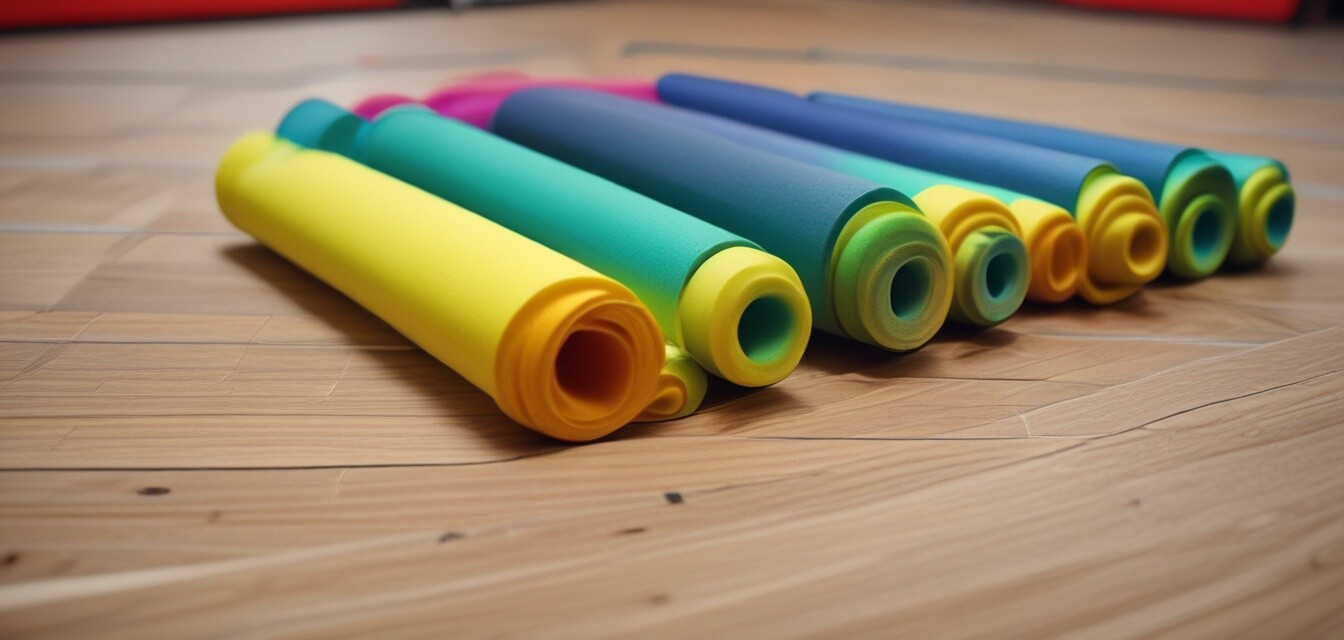
Here's a breakdown of the commonly available foam rollers in the market:
| Type | Description | Best For |
|---|---|---|
| Standard Foam Rollers | Basic foam rollers used for general muscle recovery. | Beginners and moderate users |
| Textured Foam Rollers | Rollers with ridges and bumps for deeper massage. | Advanced users or those with stubborn knots |
| High-Density Foam Rollers | Firm rollers that target deeper muscle tissues. | Individuals with higher muscle mass |
| Vibrating Foam Rollers | Incorporate vibration to relieve muscle tightness. | Users seeking advanced recovery methods |
How to Choose the Right Foam Roller
When selecting a foam roller, consider these factors:
- Density: Choose between soft, medium, and hard based on your pain tolerance.
- Size: Smaller rollers are portable but may not provide full-body coverage.
- Texture: Select a smooth or textured surface based on your preference.
- Shape: Some rollers are curved or designed to target specific areas.
Foam Rolling Techniques
Incorporating foam rolling into your routine can be done in several ways:
- General Roll: Roll up and down the muscle group slowly for 30-60 seconds.
- Spot Treatment: Find a tender spot and hold pressure for 20-30 seconds.
- Cross-Friction: Move side to side over the sore area to release tension.
- Dynamic Rolling: Incorporate rolling into your warm-up or cool-down routine.
Additional Resources
If you're interested in related topics, be sure to check out our other articles:
Pros
- Enhances post-workout recovery.
- Improves overall flexibility.
- Reduces muscle soreness effectively.
- Affordable compared to other recovery tools.
Cons
- May cause discomfort for beginners.
- Not every type suits all users.
- Some require more maintenance than others.
Conclusion
Foam rollers are indispensable in achieving optimal recovery and performance after workouts. By understanding the different types and how to choose the right one, you can enhance your post-exercise routine significantly. Whether you're a beginner or a seasoned athlete, investing in a foam roller can prove to be a valuable addition to your home gym setup. For further reading on the best equipment to complement your home gym experience, explore our Buying Guides.