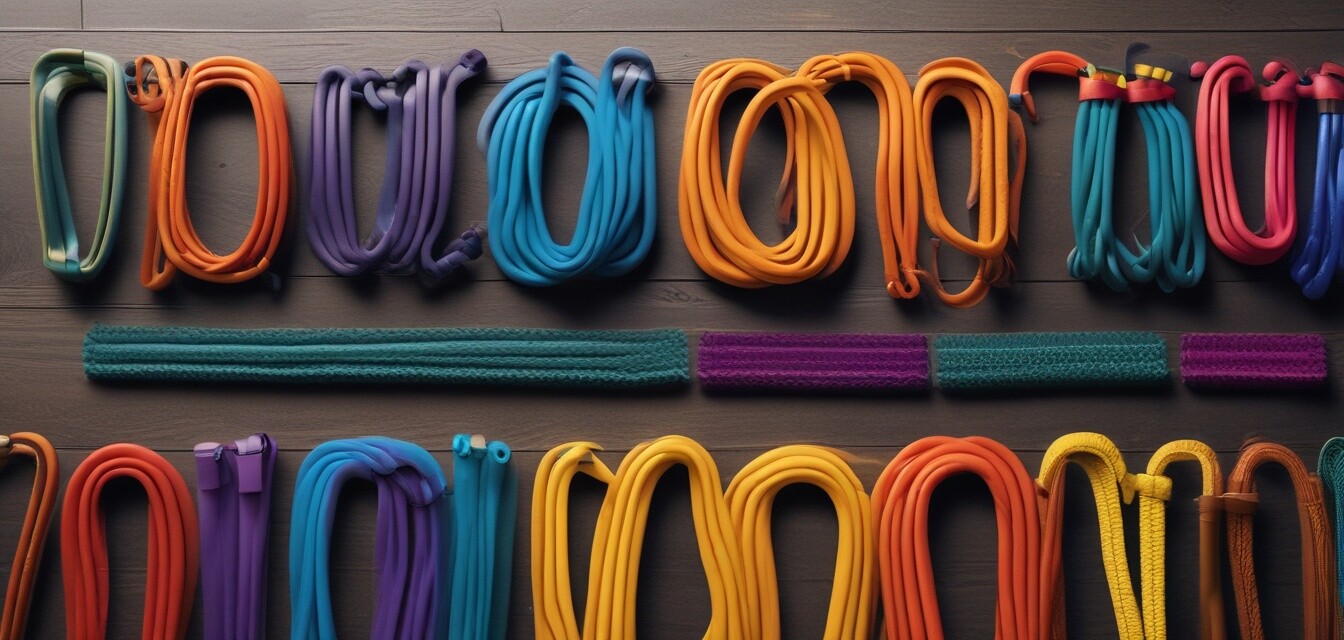
Selecting the Right Resistance Bands
Key Takeaways
- Choose resistance bands based on your fitness level and specific goals.
- Look for various resistance levels to accommodate different exercises.
- Consider material quality and additional features for versatility.
- Portable bands are great for workouts at home or on the go.
Resistance bands are an excellent addition to any home gym, offering versatility and convenience. Whether you are a beginner or an experienced athlete, selecting the right resistance bands can significantly impact your workout routine. In this guide, we will explore essential tips to help you choose the best resistance bands for your workout needs and strength goals.
Why Choose Resistance Bands?
Resistance bands are a fantastic alternative to traditional weight training. They are lightweight, portable, and can be used for various strength training exercises. Here are some benefits of incorporating resistance bands into your workouts:
- Effective for building muscle and improving strength.
- Improves flexibility and stability.
- Low risk of injury compared to free weights.
- Cost-effective and space-saving.
Types of Resistance Bands
Before selecting the right resistance band, it’s important to understand the different types available:
| Type | Description | Best For |
|---|---|---|
| Loop Bands | Continuous loop of rubber designed for lower body and full-body workouts. | Leg and butt exercises, group classes. |
| Tube Bands | Rubber tubes with handles that allow for a variety of exercises. | Upper body workouts, strength training. |
| Figure 8 Bands | Shaped like an '8' with handles on both ends, ideal for arm exercises. | Targeting arms and shoulders. |
| Flat Bands | Flat, wide bands that can be used for physical therapy or stretching. | Rehabilitation, mobility exercises. |
Factors to Consider When Choosing Resistance Bands
Here are some crucial factors to keep in mind when selecting resistance bands:
- Resistance Levels: Look for bands that offer multiple levels of resistance. This allows you to progressively increase the challenge as you get stronger.
- Material Quality: Choose bands made from high-quality materials like natural rubber for durability and elasticity.
- Handles and Accessories: Consider sets that come with handles, door anchors, or carry bags for added convenience.
- Size and Portability: Ensure the bands are compact and easy to store or carry for workouts at different locations.
Top Resistance Bands to Consider
When investing in resistance bands, you want options that reflect quality and performance. Here are two excellent products to consider:
 Top Choice
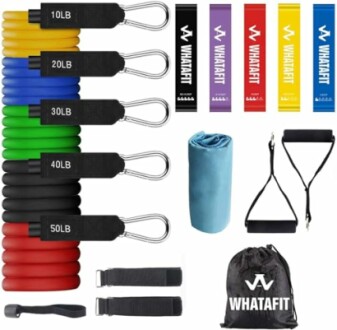
WHATAFIT Resistance Bands
These resistance bands come with 5 different levels and various accessories, making them perfect for strength training at home.
Learn MoreAnother fantastic option is:
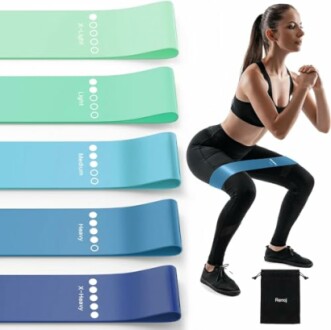 Budget-Friendly Option
Resistance Bands for Working Out by Renoj
A set of 5 durable Pilates Flexbands designed for versatile workouts, perfect for various exercises including physical therapy.
Learn MoreHow to Use Resistance Bands Effectively
Using resistance bands is easy, but maximizing their potential requires proper techniques:
- Warm up before your workout.
- Start with a low resistance band to master your form.
- Gradually increase resistance as you become comfortable with the movements.
- Incorporate resistance bands into your strength training routine at least 2-3 times a week.
- Mix different exercises and resistance levels to keep your workouts challenging.
Pros
- Versatile and suitable for various exercises.
- Compact and easy to store or carry.
- Low cost compared to traditional weights.
- Adaptable for all fitness levels.
Cons
- Can wear out over time, depending on usage.
- May require multiple bands for varying resistance levels.
- Without proper technique, they may not provide sufficient resistance for advanced users.
Additional Resources
If you're looking to expand your knowledge on home gym equipment, consider visiting our resource sections:
- Advanced Home Gym Equipment
- Space Optimization for Home Gyms
- Strength Training for Beginners
- Multi-functional Gym Equipment
- DIY Home Gym Projects
In conclusion, selecting the right resistance bands can make a significant difference in your workout routine. Consider your fitness level, goals, and the features that suit your needs best. With a wide array of options available, you can customize your resistance training at home effectively and enjoyably.